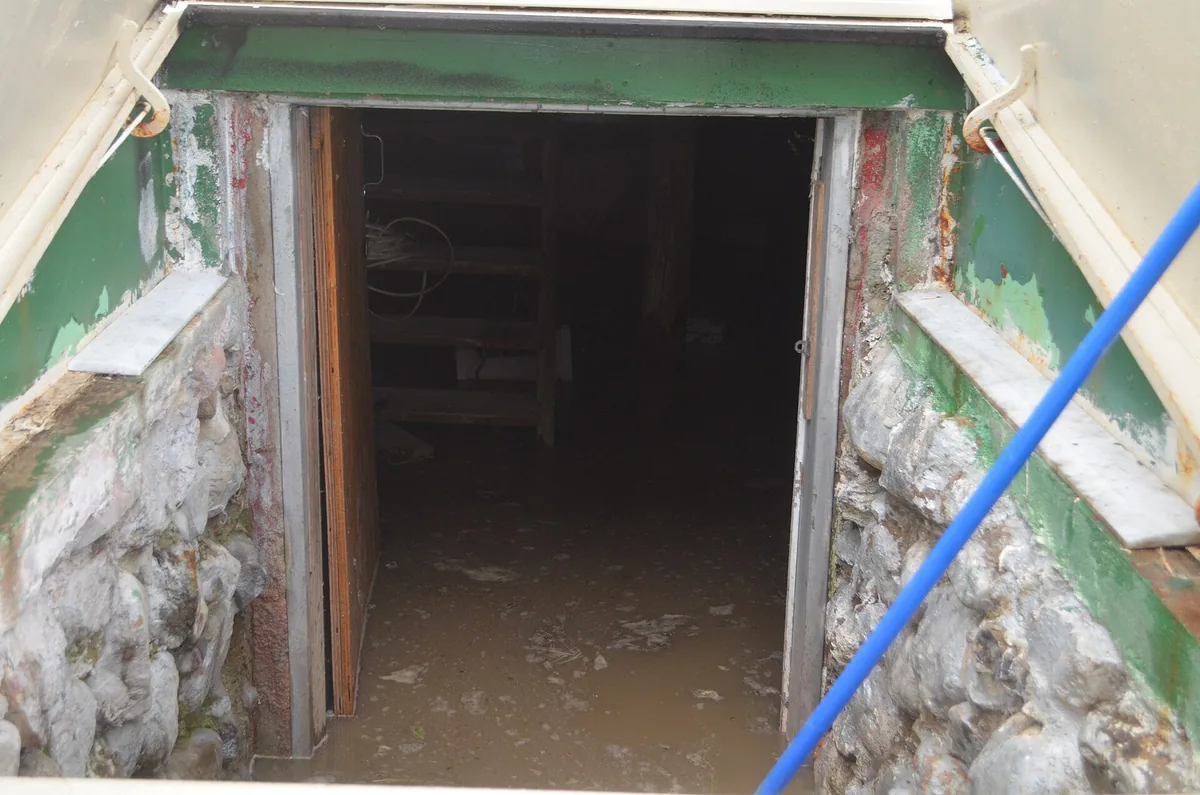
After the Water Recedes: The First Checks
A flooded basement or a sewer backup leaves two jobs at once. The first is the water itself: drying the space, sorting what can be saved, and dealing with plumbing or city programmes. The second is quieter. While you clean, check the places where a house can open up or where shelter conditions can change, and note any sign that rodents have used the space. This guide covers that second job, for any water event, whenever it happens.
Detroit has a documented history here. On June 26, 2021, the city recorded 5.77 inches of rain in a single day, the most in at least 80 years, with more than 2,800 water-in-basement reports in the first days (City of Detroit, June 29, 2021). NOAA 1991-2020 normals also list May as Detroit's wettest month on average, at 3.72 inches.
One limit runs through this guide. No Detroit source documents that a flood causes rodents to enter homes, and this page makes no such claim. Water and soil movement can shift covers and stored material, and a wet basement can hold new shelter conditions. Those are reasons to check. What a check finds at your house is the evidence that matters.
Start once the water has gone down and the basement is safe to enter. If standing water remains, or electrical fittings were under water, deal with those problems first. Work with a strong light, wear gloves, and take dated notes or photos as you go, for later talks with the city or an inspector.
Walk the basement wall line slowly. Look at the base of the foundation walls, the sill area where the frame sits on the foundation, and any cracks that look fresh or wider than you remember. Check floor drains and covers, cleanout caps, and where water, gas, electric and cable lines pass through the wall. Silt can hide a gap, so clear it from drain and pipe points before you judge them.
Check the sump area next: the pit cover, the discharge pipe, and the floor around the pit for disturbed soil, droppings or nesting. Then check basement windows, window wells and any exterior door at basement level, including the fit at its base.
Look at stored material as shelter, not just as damage. Boxes and stacked items that sat in water give cover close to the wall line. As you move items out, check behind them for droppings, nesting, gnawed packaging or tracks in silt or dust. Tracks and droppings show where something has travelled or settled, not when it arrived, so record what you see without assuming the water brought it.
Finish outside if conditions allow: walk the foundation line for soil washed away, new gaps where soil or paving has dropped, and debris piled against the house. Note anything you cannot reach or judge well. Those unchecked areas belong on the list if you later book a professional check.
Cleanup Realities After a Flood or Sewer Backup
Cleanup after a backup is sanitation work as much as tidying. Water from a sewer backup, and flood water that has passed through streets and drains, should be treated as contaminated. Keep children and pets out until the area has been cleaned and dried. Wear gloves, wash hands and tools after the work, and ventilate the space where you can do so safely.
Some material should go out rather than be dried and kept. Throw out any food, including pet food, that the water touched, and food in packaging water damaged or soaked through. Throw out cardboard, paper and soft furnishings that stayed wet and cannot be properly cleaned and dried, along with wet insulation and padding. Bag it and move it out promptly, away from the house, since piled material against a foundation gives shelter.
Hard surfaces can usually be cleaned. Wash floors, walls to the water line, and washable items with detergent and clean water, rinse, and let everything dry fully before putting the room back together. Drying matters for the rodent check too: sealing over a damp wall line can cover a gap you would otherwise have seen.
Droppings and nesting found during cleanup need care rather than sweeping, since dry sweeping pushes dust into the air. For a small amount, dampen the area, wear gloves, bag the material and wash the surface after. A larger build-up, droppings in several areas, or nesting inside wall or insulation material belongs with the sanitation work for droppings and nesting debris, done as a dedicated job. Take a photo before anything is moved.
Finished the cleanup and still finding droppings, gaps or signs you cannot explain? Book a calm post-event inspection of your basement and shell, and get the findings recorded before you seal or rebuild anything.
Call (313) 555-0100Backwater Valves, Sump Pumps, and Your Basement System
Two fittings do much of the work of keeping water out, and a flood or backup is the right time to check both. A backwater valve sits on the house sewer line: when the city sewer runs high, it closes and helps stop street-side water pushing back through your line and out of basement drains. A sump pump collects water in a pit below the floor and pumps it out through a discharge pipe. Each handles a different route in, so a house can have one, both, or neither.
After an event, check what you can see without dismantling anything. For the sump, check the pit, cover and discharge pipe, and confirm the pump runs as pit water rises. For a backwater valve, find its access cover and note whether it is reachable and clear of stored material or new flooring, since valves need access for inspection and cleaning. Damaged or blocked fittings are plumbing work, not a do-it-yourself job.
The wider system gives these fittings their context. According to DWSD (February 2025), Detroit's sewer pipes average about 95 years of age. An old system, heavy rain and a low basement together explain why backup protection is a standing topic in Detroit, and why the city programmes in the next section exist.
City Programmes and Reporting Routes That May Help
Start with the city routes before paying for anything. The Detroit Water and Sewerage Department, DWSD, has run a Basement Backup Protection Program since 2021. According to DWSD reporting, it began in 11 neighbourhoods with a history of severe flooding and covers work such as sewer lateral inspection and repair, downspout disconnection, and installing backwater valves and sump pumps. A later programme, the Private Sewer Repair Program, covers similar work and is described by the city as income-eligible, across 97 neighbourhoods.
Programme status changes. Phases open and close as funding allows, and eligibility depends on where the property sits and, for the Private Sewer Repair Program, on household income. This page does not promise that either programme is open now, that your street is covered, or that your household is eligible. Check the current position with DWSD or through the City of Detroit before planning around either programme.
For water and sewer problems, and for rodent or harborage conditions outside a property, such as a vacant house nearby or dumped material in an alley, residents can use the City of Detroit's 311 system and Improve Detroit, with the exact address and what can be seen from outside. For exterior work, enforcement and where city help stops, see what city help covers and where it stops.
That stopping point matters after flooding. City programmes deal with sewers, valves and pumps, and city rodent work handles exterior baiting and harborage enforcement. The City of Detroit does not provide interior rodent extermination, and a city visit after a flood does not include a rodent check of your basement, walls or attic. Rodents inside the house are private work, covered next.
When to Book a Post-Event Inspection
Many homes will need no more than the checks and cleanup above, plus the city routes for sewer or programme questions. A professional check makes sense when your own checks turn up something you cannot resolve, or when you cannot complete them at all: droppings or nesting in more than one area, a gap or shifted fitting you cannot assess, scratching or sightings inside after the event, or areas too wet or packed to inspect.
A post-event check looks at the house in its after-water state: the basement wall line, drains and utility entries, the rest of the interior, and the outside shell, recording entry points and signs as they stand after cleanup. You can book a post-event check of the basement and shell once the space is dry and the main cleanup is done. If it finds contamination in upper parts of the house, follow-on work can include work to restore a contaminated attic as a separate step, scoped from what was found.
Cost worry after an expensive water event is understandable. Ask on the call what the check covers and what happens if follow-on work is recommended, so you know the shape of the job before anyone visits. Keep your own notes and photos either way: they make any later visit faster.
Related Services
Rodent Droppings Cleanup Detroit MI
Safe handling and sanitation for droppings in attics, kitchens and garages, with guidance on how much is reasonable to clean yourself and when the amount or the place makes it a professional job.
Attic Rodent Cleanup Detroit MI
Cleanup of droppings, nesting and odours left in an attic after rodents are cleared, with a plain account of when insulation can stay and when it has to come out.
Rodent Inspection Detroit MI
A full check of kitchens, attics, basements, crawl spaces, garages and the alley line, ending with an entry-point map and photos. Start here when you have signs but no certainty about the animal or the route in.
Frequently Asked Questions
Should I get an inspection after a basement backup?
Book one if your own checks found droppings or nesting in more than one area, a new or shifted gap at the wall line, drains or utility entries, or signs of activity inside the house after the event. Book one also if wet or packed areas meant you could not check the basement properly. If you checked the full wall line, drains and sump area once the space was dry and found no gaps and no signs, you can usually clean, dry and monitor instead.
Does the city check for rodents after flooding?
No. City programmes after flooding deal with sewers, backwater valves and sump pumps, and city rodent work covers exterior baiting and harborage enforcement outside the property. The City of Detroit does not provide interior rodent extermination, and a city visit after a flood does not include a rodent check inside your basement, walls or attic. Interior checks are private work.
What should I throw out after a flood or backup?
Throw out any food, including pet food, that the water touched, food in soaked or damaged packaging, and porous material that stayed wet and cannot be properly cleaned and dried, such as cardboard, paper, soft furnishings, padding and wet insulation from the affected area. Bag it and move it away from the house. Hard surfaces and washable items can usually be washed with detergent and clean water, rinsed, and dried fully before the room is put back together.