What the Inspection Covers, Inside and Out
A rodent inspection detroit mi visit is built around how Detroit houses are actually put together. About 86 percent of Detroit residential structures were built before 1970 (City of Detroit NRSA plan, using ACS 2020 data) and 34.8 percent of housing units were built in 1939 or earlier (ACS 2022 5-year data). Around 72 percent are single-family homes including attached homes (ACS 2022). Older houses like these tend to have settled foundations, old utility openings and added-on porches and garages, so the check below follows the house room by room and then walks the outside shell. Each area is checked for entry points, evidence of activity and conditions that let rodents shelter close to the house.
Living Spaces and Kitchens
The indoor check starts where you live and cook. The inspector looks behind and under kitchen cabinets, around sink plumbing, behind stoves and refrigerators, and along the pipe and wire runs that pass through floors and interior walls. Pantries, closets and utility areas are checked for gaps where those runs enter the room. A rat inspection detroit visit pays close attention to larger gaps low in the house and signs of heavier traffic, while a mouse inspection focuses on smaller openings at cabinet, pipe and baseboard level. The species matters because rats and mice use different routes, and the findings note which pattern the evidence fits instead of treating every problem as the same job.
Attic Access, Basements, and Crawl Spaces
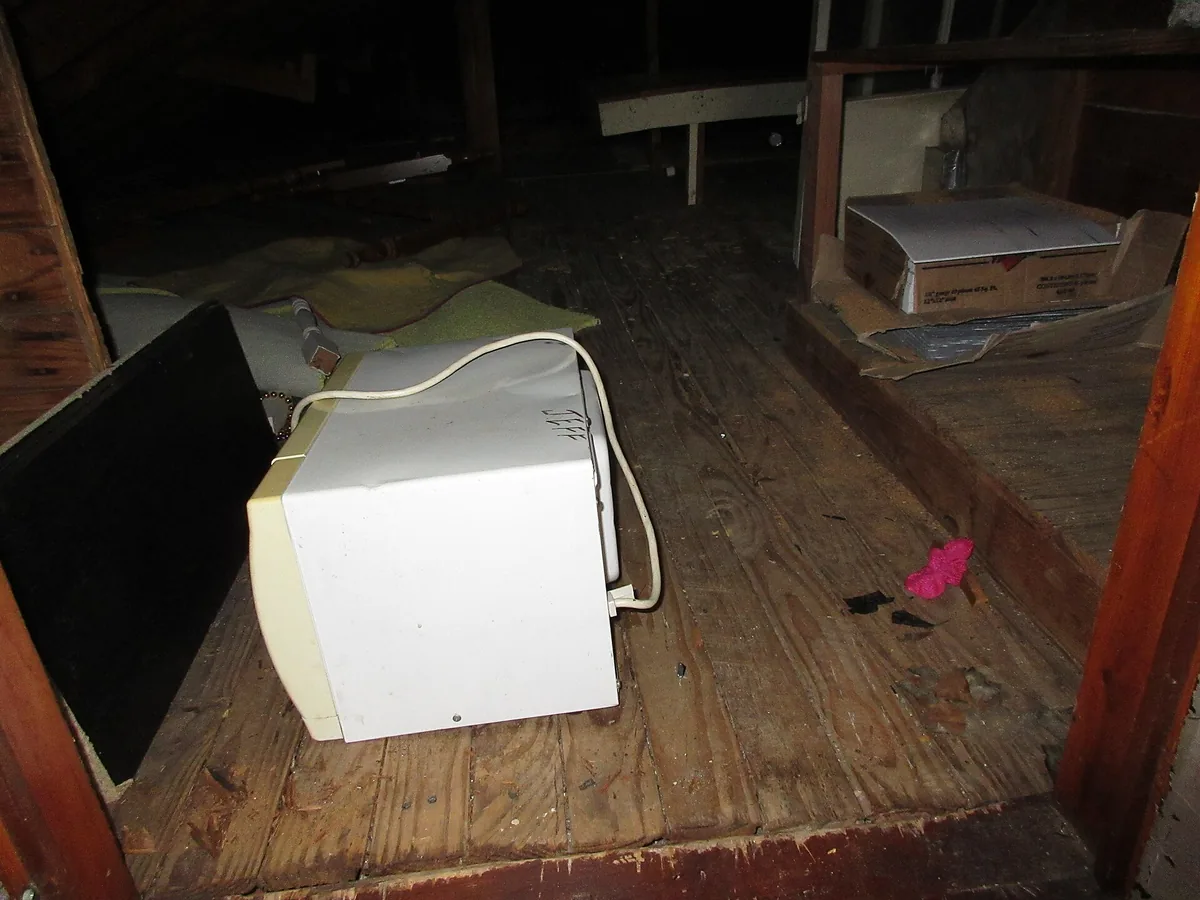
Next the check moves to the spaces most homeowners rarely enter. At attic access points the inspector looks at the hatch or pull-down opening, roof and eave junctions, and the top plates of walls where rodents travel between the attic and the rooms below. In basements and crawl spaces the check covers foundation walls in block or stone, sill plates where the house frame sits on the foundation, floor drains, sump areas and old openings such as coal chutes and sealed or abandoned utility lines. These are framed as checklist items, the places an inspector should look in pre-1970 stock, and the findings record what was actually seen at your house rather than assuming every older home has the same gaps. Blocked hatches or packed storage that prevent access are noted in the findings as areas that could not be checked.
Exterior Shell, Garage, and Alley Line
The outside check walks the full shell of the house. The inspector follows the foundation line, porch and step junctions, siding and trim gaps, utility entries for gas, water, electric and cable, and the garage, including the door seal and the corners where the garage meets the house. The alley line behind the garage is checked too, which matters in Detroit because the city stopped maintaining residential alleys in the late 1980s and upkeep has been the homeowner's job since then. Detroit code defines rat harborage as any condition under which rats may find shelter or protection, so the exterior notes cover harborage conditions: overgrowth against the foundation, stored items that give cover, and food sources near the shell that should be cleared as part of any follow-up plan.
What You Receive: Entry-Point Map, Photos, and a Written Quote
The inspection ends with documents, and those documents are the product you are booking. First, an entry-point map: a simple plan or list that marks each gap, hole or weak point found, where it sits on the house, and how large it is. Second, photos of the entry points and activity areas, so you can see the coal chute gap, the sill plate opening or the garage corner for yourself instead of taking a verbal summary on trust. Third, written findings that state what was found, where activity appears current, and which areas could not be checked. Fourth, a written quote built from that map, priced against the work the findings actually support.
That order matters. Detroit homeowners have been quoted large sums over the phone by companies that never came out to look at the house, and a quote given before anyone has checked the attic, basement and shell is a guess. Here the number comes after the check, in writing, tied line by line to the entry points and work listed in the findings. If the quote and the map do not match, you can point to the exact line and ask about it before any work starts.
Know before you pay for treatment. Book the check and get an entry-point map, photos and a written quote for your Detroit home.
Call (313) 555-0100What an Inspection Is Not
Treatment is a separate step. The inspection visit is for checking and documenting, and traps, bait or sealing work are booked after you have read the findings and agreed a written quote, so you are never paying for treatment chosen before the problem was confirmed. The visit also has a fixed checklist and a fixed set of documents at the end, which keeps it from turning into an open-ended sales talk at your kitchen table: the inspector's job on this visit is to find and record, then leave the decision with you.
It is also a different thing from a city visit. The City of Detroit, through BSEED, handles exterior baiting and rat harborage enforcement, and the city does not provide interior extermination inside homes. A private inspection covers the inside of your house, the attic and basement, and the full shell. If your concern is a vacant house or lot nearby, the findings can still help by recording the conditions on your side of the line while any report about the neighbouring property goes through the city.
Who Should Book a Check - and Who Can Wait
Book a check when you have signs in the house but no clear picture of where rodents are getting in, because treating without that picture usually means treating the wrong place. Book one when scratching or activity continues after earlier work was supposed to have solved the problem, since the map and photos give you a record to test that earlier claim against. Book one before buying or selling an older Detroit home, when a written record of the shell, attic and basement is worth having either way. Landlords should also take the check seriously: Detroit rental properties must be registered and hold a Certificate of Compliance, which is the city's confirmation that a rental meets its inspection requirements, and violations are issued to the owner, so a documented inspection helps an owner show what was checked and what was fixed.
Timing plays a part for mice. When nights drop into the 40s and 30s, mice push indoors looking for warmth and food, and a check booked at that point can find the entry points while activity is fresh and easier to trace. You can usually wait if you have no signs, no recent activity and a recent inspection report with a map already on file for the house. You can also wait if the only issue is a single outdoor sighting with no indoor signs and no gaps found on a recent check, and simply watch the area and keep food and cover cleared along the foundation.
Booking the Check and What Happens Next
Booking starts with a call. It helps to have three things ready: where you have seen or heard activity, whether the attic hatch and basement are reachable, and whether anyone in the home needs the visit planned around work, school or pets. At the visit the inspector works through the checklist above, takes the photos and builds the entry-point map. Afterwards you get the written findings and the written quote, and you decide the next step with those documents in front of you.
For many homes the next step is exclusion, meaning sealing every entry point on the map, so the rodents already inside are dealt with and new ones cannot use the same routes back in. Other homes route to trapping and removal first, or to a follow-up check where the findings were unclear. On cost, this page does not publish a fee or promise that any fee will be credited toward later work, because those policies are set by the operator who does the work and are confirmed before you book. For the wider pricing picture, see how much does rodent control cost in Detroit, and ask on your call for the current inspection policy in writing.
What the Inspection Covers, Inside and Out
- Living spaces and kitchens, behind and under cabinets, around sink plumbing, and behind stoves and refrigerators
- Attic access, the hatch or pull-down opening, roof and eave junctions, and the top plates of walls
- Basements and crawl spaces, foundation walls, sill plates, floor drains and sump areas
- Old openings such as coal chutes and sealed or abandoned utility lines
- Exterior shell, the foundation line, porch and step junctions, siding and trim gaps, and utility entries
- Garage, including the door seal and the corners where the garage meets the house, and the alley line behind the garage
- Harborage conditions on the outside, such as overgrowth against the foundation, stored items that give cover, and food sources near the shell
DIY Check vs a Professional Inspection
| Check | What it covers | What it can miss | What you get |
|---|---|---|---|
| Your own check | Signs you can see or hear yourself, and where you have seen or heard activity in the house | Entry points in attic access, basements and crawl spaces, and in areas that are blocked or packed with storage | Your own notes on what you found. A single outdoor sighting with no indoor signs can be watched, with food and cover kept cleared along the foundation. |
| Professional inspection | Living spaces and kitchens, attic access, basements and crawl spaces, plus the exterior shell, garage and alley line, checked for entry points, activity and sheltering conditions | Areas that could not be checked, such as a blocked hatch or packed storage, are noted in the findings rather than assumed | An entry-point map, photos of the entry points and activity areas, written findings, and a written quote built from that map |
Related Services
Rodent Exclusion Detroit MI
Exclusion means sealing every entry point: coal chutes, block and stone foundations, sill plates, porch lines and garage gaps, closed with materials rodents cannot chew through. The step that stops new animals using the same routes.
Rat Removal Detroit MI
Removal focused on rats at ground level: burrows along foundations, runs near garages, and the trap checks that follow. The page also sets out where removal ends and sealing work begins.
Mouse Control Detroit
Ongoing control for mice in attics, walls and pantries when one round of shop traps keeps failing. Built on trapping and monitoring, with the entry gaps behind the problem part of the plan.
Frequently Asked Questions
What does a rodent inspection include?
A rodent inspection includes a check of living spaces and kitchens, attic access, basements and crawl spaces, plus the exterior shell, garage and alley line. The inspector looks for entry points, signs of current activity and conditions that shelter rodents. You finish with an entry-point map, photos and a written quote based on what was found.
How long does an inspection take?
The time depends on the size of the house and how easily the attic, basement and crawl spaces can be reached. An older single-family home with clear access moves faster than a home where hatches are blocked or areas are packed with storage. When you book, you will be told what access is needed so the visit can be planned properly.
Do I get photos and a report?
Yes. You receive photos of the entry points and activity areas the inspector found, an entry-point map that shows where each gap sits, and written findings with a written quote. Those documents are yours to keep and compare, whether you book the follow-up work right away or take time to decide.
What if you find nothing?
A clean finding is still a result. The written findings record the areas that were checked and state that no active entry points or current activity were found at that visit. You also get notes on conditions worth watching, so you know what would justify another check later.
Is the inspection fee credited toward the work?
No credit is promised on this page, because that policy is set by the operator who does the work. The current policy is confirmed before you book, and the cost page linked above explains how inspection pricing fits into the overall cost of a job. Ask for the policy in writing on your call if you want it confirmed before the visit.