What Attic Rodent Cleanup Includes
An attic is easy to leave alone. It sits above the rooms you live in, and rodents can use it for a long time before signs show up below. By the time scratching is heard in a ceiling, the attic often holds months of droppings, nesting and soiled insulation. Cleanup is the job that deals with that build-up and puts the space back into a clean, checkable condition.
Cleanup is restoration work. It starts after the rodents themselves have been dealt with, and it covers the material they left behind. A written scope for your house, confirmed at inspection, can include the following:
- Removal of droppings and nesting material from the attic floor, joists and accessible runs.
- Bagging of waste and soiled material, and removal of those bags from the house.
- Cleaning and sanitation of the surfaces the waste touched, using the method set out in your written scope.
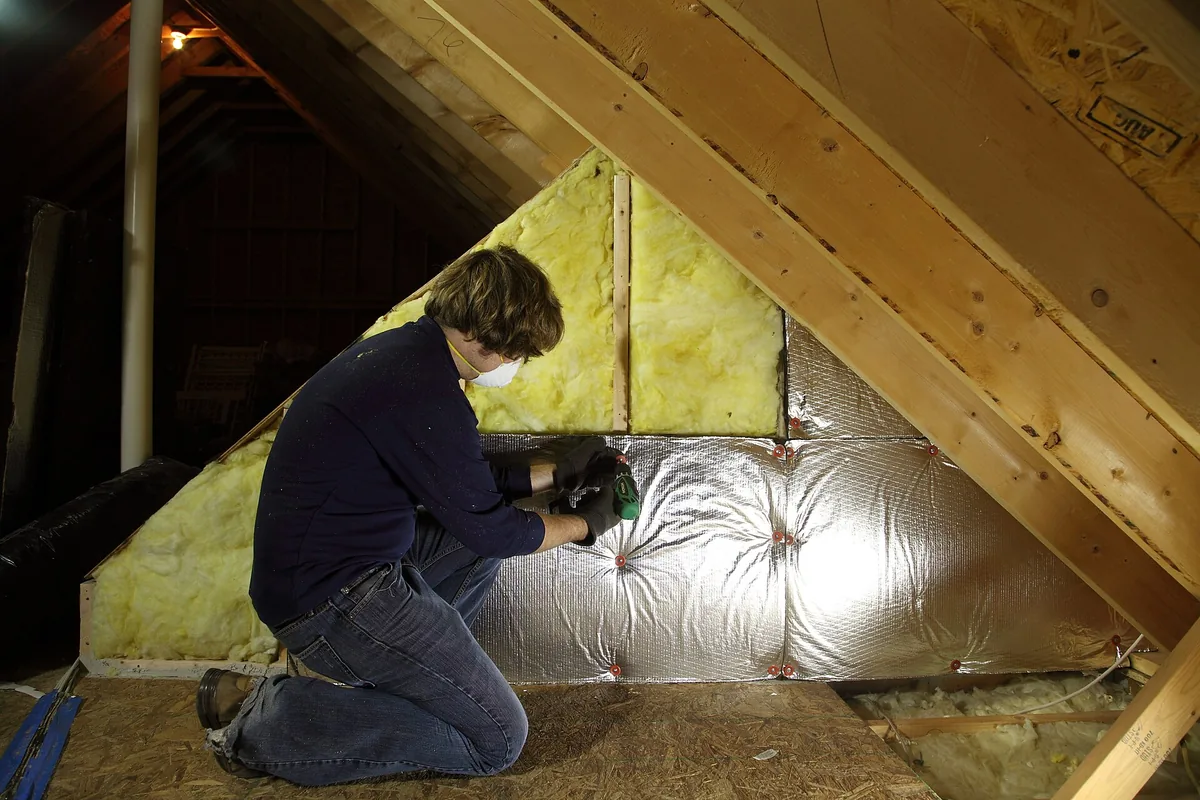
- An insulation check, bay by bay, with removal of sections that cannot stay and replacement where the scope includes it.
- A final check of the cleaned area, so the scope can be signed off item by item.
Some work sits outside cleanup itself, and a clear scope says so:
- Clearing live rodents. That step comes first and is a separate job.
- Sealing entry points. That is exclusion work, covered in the last step of the order below.
- Structural repairs, such as roof timbers or damaged wiring. Those belong to the relevant trade.
- Decorating or plaster work in the rooms below. Cleanup works in the attic, not in finished rooms.
A rodent attic cleanup detroit scope is written bay by bay because no two attics hold the same build-up. The scope should name what was found, where it was found, and what will be done about each part, so you can check the finished work against it.
The droppings question comes up on almost every job: do they have to come out, or can they stay? For an accumulated deposit, they have to come out. Waste left in place keeps its odour, sanitation cannot be done properly underneath it, and it stays as a food and scent draw in the space you just paid to restore. If you are still at the stage of finding waste and deciding what is safe to touch, start with droppings cleanup first. That page covers the safe handling side. This page covers what happens next, when the attic itself is restored.
Why Attic Problems Are Common in Older Detroit Houses
Detroit housing is old stock, and the figures carry their dates. About 86 percent of Detroit residential structures were built before 1970, according to the City of Detroit NRSA plan for FY2025 to 2029, using ACS 2020 figures. About 34.8 percent of Detroit housing units were built in 1939 or earlier, according to ACS 2022 5-year data. Detached single-family homes make up 65.1 percent of housing units, and single-family homes including attached homes make up 72.0 percent, on the same ACS 2022 figures. Only about 1 percent of homes were built after 2010, according to the City NRSA plan.
That profile shapes attic work. A single-family house has its own roofline, its own eaves and gable ends, and its own attic sitting above the living space. In a house built before 1970, that roofline has had decades for small gaps to open: a lifted soffit panel, a gap at a gable vent, worn flashing around a chimney, a hole where a cable or pipe was run through a top plate, or a joint along the sill and wall line that no longer sits tight. None of those gaps needs to be large. A mouse can use a gap about the width of a pencil.
An inspection phrases this as a checklist, because no page can say which gaps your house has. The check covers the roofline and eaves, vents and their covers, chimney and flashing lines, the top plates of walls, and the points where utility lines enter the attic. Where a gap is found, it goes on the entry-point list for the sealing step. Where the attic connects to a porch roof, a garage roof or an addition, those junctions get checked as well, since a rodent can travel along one roof and enter the main attic where the two meet.
Homeowners looking for attic rodent cleanup in detroit mi are usually dealing with a house from that older stock. In practice, attic cleanup after rodents detroit work starts with an older roofline and a long list of small openings to check.
Ready to get your attic restored after rodents? Call to book the inspection that sets the scope, the order of work, and what your written quote will cover.
Call (313) 555-0100The Right Order: Clear the Infestation, Clean Up, Then Seal
Attic work has an order, and the order protects your money. The sequence is set after an inspection of the attic and roofline, and it runs in three steps.
- Clear the infestation first. Live rodents are removed from the attic and the house. Cleanup done while rodents are still active is wasted work, because fresh droppings and new nesting replace what was taken out.
- Clean up second. With activity cleared, droppings, nesting and soiled material come out, surfaces are sanitized, and the insulation decisions are made and carried out.
- Seal last. Entry points are closed so the next rodent cannot use the same routes. That sealing work, sealing every entry point with chew-proof materials, is its own job with its own scope.
Sealing too early causes its own problem. If the openings are closed while animals are still inside, those animals can be shut into the attic or a wall void. An animal that dies in a void creates an odour problem in the rooms below, and reaching it can mean opening a wall. Sealing after clearance, and after cleanup has confirmed the space is empty and checkable, avoids that trap.
Cleanup is sometimes questioned as an extra sold after removal. The honest test is what happens if it is skipped. The droppings stay. The nesting stays. Soiled insulation keeps holding odour above your bedrooms, and the attic goes back to being a space nobody can inspect properly, because old signs and new signs cannot be told apart. A later check then has no clean baseline to work from. Cleanup earns its place by giving you that baseline: a space where any new dropping or new nesting stands out at once.
Insulation: When It Can Stay and When It Has to Go
Insulation is where cleanup becomes a judgement call, and it is the part of the job with the widest range. On an attic rodent cleanup detroit mi job, insulation is assessed bay by bay. A whole attic is rarely condemned in one decision, and a whole attic should not be waved through in one decision either. Each bay is checked for the same set of signs:
- How much droppings load sits on or in the material.
- Whether rodents have nested inside the insulation, tunnelling through it and packing it down.
- Whether urine has soaked into the material, which shows as staining and a strong smell held in the fibres.
- Whether the material is compressed or matted, since flattened insulation does its heating job poorly.
- Whether odour stays in the material after the loose waste around it is removed.
The decision that follows is usually a split one:
| Insulation can usually stay when | Insulation usually has to go when |
|---|---|
| It is dry, and droppings sit only lightly on the surface where they can be removed. | Droppings and nesting run through the material, not just across the top of it. |
| There is no nesting tunnelled into the bay. | Urine has soaked in and the smell is held in the fibres. |
| It holds its depth and has not been packed down by traffic runs. | It is matted or compressed flat along runs and nesting areas. |
| The bay smells clean once the surrounding waste is out. | Odour remains in the bay after loose waste has been cleared. |
Material type matters to the work. Batt insulation comes in sections, so a bad section can be lifted out and a sound section next to it can stay. Loose fill is harder to clean in a selective way once droppings have mixed down through it, and a heavily mixed area is more likely to come out as a whole bay. Your scope should say which bays come out, which stay, and what replacement insulation will be laid where sections were removed, to the depth set out in that scope.
Leaving heavily soiled insulation in place undermines the rest of the job. Sanitation cannot reach waste held inside the material, and the odour source stays in the attic after the floor looks clean. Taking out sound insulation that could have stayed wastes money in the other direction. The bay by bay check is how both mistakes are avoided, and the reasoning for each bay should be written down where you can read it before you agree to the work.
Crawl-Space Cleanup After Rodents
Some Detroit houses pair the attic with a crawl space, and rodents that used one space often used the other. Crawl-space cleanup on this page is the companion section to an attic job, scoped from the same inspection. It is not framed as a separate service, because the decision to clean it usually follows from what the attic inspection found.
The scope is similar work at a smaller scale and in tighter access: droppings and nesting material are removed, contacted surfaces are sanitized, and any fallen or soiled insulation under the floor is noted for the same stay or go decision used in the attic. Access decides how fast the work moves. A crawl space with a clear entry and room to work is a shorter job than one reached through a small hatch with low clearance throughout.
Ask at inspection whether the crawl space shows current signs or only old ones, since that affects whether it is cleaned in the same visit sequence as the attic. A cleaned crawl space, like a cleaned attic, gives you a baseline where new signs are easy to spot on a later check.
Odours Left After an Attic Infestation
Odour is often the reason an attic job gets booked, and it is the part homeowners most want a straight answer on. Attic odours after rodents come from a short list of sources: urine held in insulation and timber, nesting material, droppings built up along runs, and scent marking along the routes rodents used every night. Each source is a material. That is why odour work starts with removal, because a smell held in a material fades once that material is out and the surfaces under it are sanitized.
Scented sprays and air fresheners cover a smell for a few hours. They do not remove urine soaked insulation or old nesting, so the smell returns as soon as the scent fades. Ventilation helps once the source material is out, and a cleaned attic will usually air out over the days that follow. If a bay of soaked insulation stays in place, its smell stays with it, which is one more reason the insulation decision in the section above matters.
One smell points to a different job. A strong smell in one room that appeared over a few days, and that is worst in one spot on a wall or ceiling, can mean a rodent has died inside a wall or ceiling void. Cleaning the attic will not reach a carcass inside a wall, and that source needs its own location and removal work. If the smell pattern fits that description, say so when you call, because it changes which job is booked first.
What Shapes the Size of an Attic Job
Two attic rodent cleanup detroit mi jobs on the same street can differ a lot in size, which is why the quote follows the inspection. A detroit attic rodent cleanup quote is built from the inspection notes, and the factors that move it are these:
- Attic size and access. Floor area, hatch position, and whether the attic can be walked or only reached along joists.
- Amount of waste. A light scatter along one run is a different job from deep build-up across the whole floor.
- Insulation scope. No removal, a few bays, or a full strip and replacement are three very different sizes of work.
- Crawl space included or not. A second space adds its own removal and sanitation time.
- Disposal volume. Waste and old insulation leave the house in bags, and the number of bags reflects the build-up found.
- Sealing, quoted separately. Entry-point work is its own scope, so a cleanup quote should say plainly whether sealing is inside it or outside it.
This page does not put a figure on the job, because the factors above are only known once your attic has been looked at. For the full picture of how pricing is built across rodent work, including the market ranges for attic restoration, see the cost guide for rodent work in Detroit. Bring any photos you have of the attic, the hatch area and any staining on ceilings below. Photos help the first conversation, and the inspection then settles the scope in writing.
What Attic Rodent Cleanup Includes
- Removal of droppings and nesting material from the attic floor, joists and accessible runs.
- Bagging of waste and soiled material, and removal of those bags from the house.
- Cleaning and sanitation of the surfaces the waste touched, using the method set out in your written scope.
- An insulation check, bay by bay, with removal of sections that cannot stay and replacement where the scope includes it.
- A final check of the cleaned area, so the scope can be signed off item by item.
- A written scope that names what was found, where it was found, and what will be done about each part.
Cleanup Scope Compared
| Scope | What it covers | When it is the right call |
|---|---|---|
| Surface clean | Removal of droppings and nesting material from the attic floor, joists and accessible runs, with waste bagged and removed from the house. | When loose waste sits on surfaces and the bay by bay insulation check shows the material can stay. |
| Full sanitation | Cleaning and sanitation of the surfaces the waste touched, after the waste above them has been removed. | When waste left in place would block proper sanitation, or odour sources such as urine, nesting and built up droppings need the surfaces under them cleaned. |
| Insulation replacement | Removal of insulation sections that cannot stay and replacement where the written scope includes it, recorded bay by bay. | When a bay is heavily soiled, nested in, urine soaked, compressed or matted, or still holds odour after loose waste is removed. |
Related Services
Rodent Droppings Cleanup Detroit MI
Safe handling and sanitation for droppings in attics, kitchens and garages, with guidance on how much is reasonable to clean yourself and when the amount or the place makes it a professional job.
Rodent Exclusion Detroit MI
Exclusion means sealing every entry point: coal chutes, block and stone foundations, sill plates, porch lines and garage gaps, closed with materials rodents cannot chew through. The step that stops new animals using the same routes.
Rodent Inspection Detroit MI
A full check of kitchens, attics, basements, crawl spaces, garages and the alley line, ending with an entry-point map and photos. Start here when you have signs but no certainty about the animal or the route in.
Frequently Asked Questions
Does attic cleanup include insulation?
Insulation assessment is part of attic cleanup, and removal is included where the written scope says a section cannot stay. Sound, dry sections can often remain in place, while heavily soiled, nested in, or urine soaked sections are taken out and replaced where the scope covers replacement. The inspection is where that stay or go decision is recorded, bay by bay.
How long does attic cleanup take?
How long attic cleanup takes depends on the size of the attic, how much waste and nesting has built up, and how much insulation has to come out. A light job with no insulation removal is shorter than a full attic where several bays are stripped and replaced. Your written quote should state the expected time on site before work starts, based on the inspection.
Do I need to leave the house?
That is decided by the operator for your job, based on the scope and the sanitation method in your written scope, and it is confirmed before work starts. Ask when you book, especially if anyone at home has breathing concerns, or if young children or pets will be nearby. Do not assume either way from a general page, because the answer changes with the work involved.
Should cleanup happen before or after sealing?
Cleanup happens after the infestation has been cleared and before sealing is finished. Cleaning first, while rodents are still active, means fresh droppings replace what was removed, and sealing first can shut animals inside or make the attic harder to work in. The usual order is clear the animals, clean and restore the attic, then complete the sealing work.