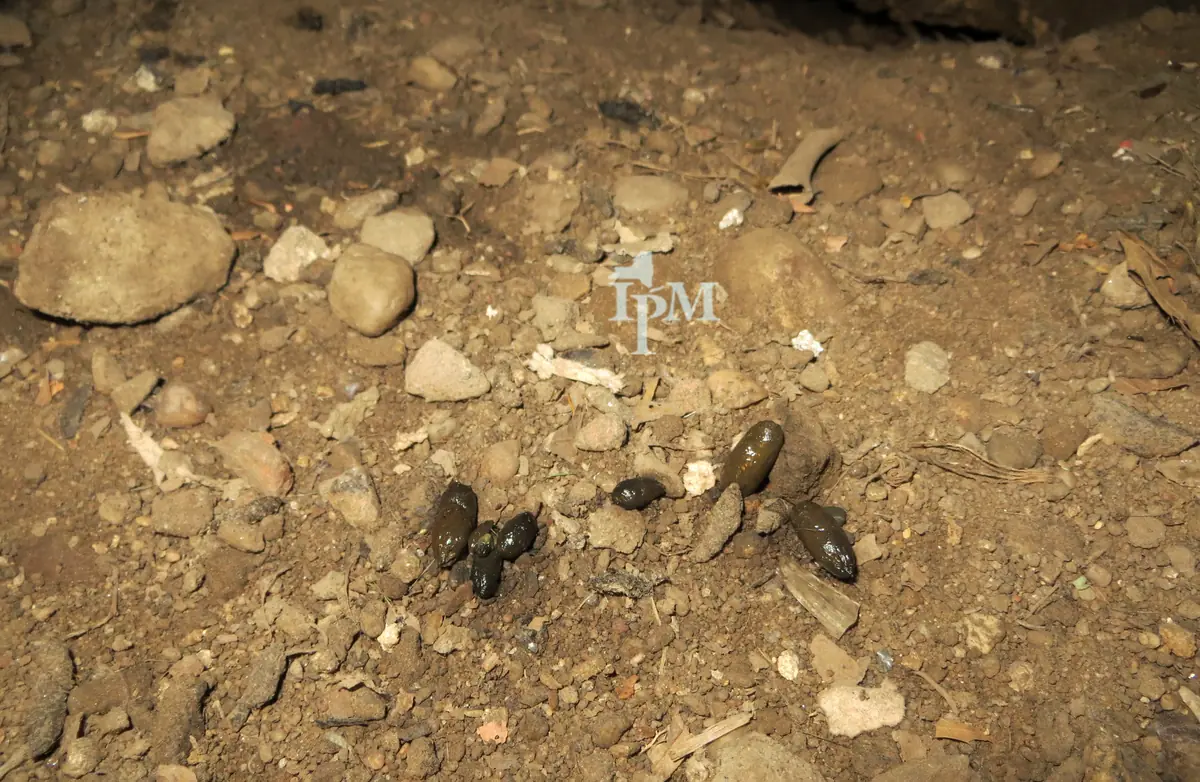
Found Droppings? What to Do Before You Touch Anything
Finding droppings is unsettling, and the first reaction is often to clean them up right away. Pause before you do. Dry droppings, nesting material, and the dust around them should not be disturbed in a way that pushes dust into the air you breathe. The safe order is simple: ventilate first, wet the material down, then remove it.
This page covers that safety side of the job: what to do before you touch anything, how to judge how much is too much for a careful do-it-yourself clean, and what professional cleanup does when the amount or access makes the job bigger than a wipe-down. Attic insulation and restoration work belongs to a different page, linked below.
Start by opening the space up. If there are windows or a door to the outside, open them and let fresh air move through the area for at least 30 minutes before you start cleaning. Leave the room while it airs out. Close off food, dishes, and cooking surfaces nearby, and keep children and pets out until the cleaning is finished and surfaces have dried.
Do not sweep dry droppings and do not vacuum them with a household vacuum. Sweeping and vacuuming dry material lifts dust into the air and spreads it to other surfaces. That is the main mistake to avoid, and it applies even when the amount looks small.
If you decide the amount is small enough to handle yourself, follow a wet method from start to finish:
- Put on rubber or disposable gloves before you touch anything. A well-fitting mask adds protection when dust is present.
- Spray the droppings and the area around them with disinfectant or a household bleach solution until the material is thoroughly wet. Let it soak for several minutes so it softens and stops releasing dust.
- Wipe the wet material up with paper towels. Do not use a cloth you plan to keep and reuse in the kitchen or bathroom.
- Place the used towels, droppings, and any loose nesting material straight into a plastic bag. Seal the bag, place it in a second bag if it is torn or heavily loaded, and put it in an outside trash cart.
- Wipe the surface again with disinfectant. Wash your hands and forearms with soap and warm water after you remove the gloves, even if the gloves stayed intact.
People describe this material in plain words, as feces in the house and a major health risk if it is handled badly. The risk is managed by keeping dust down, hands protected, and food areas separate from the work. If you find droppings mixed through stored items, insulation, or a large area of floor, stop at the ventilation and protection steps. The next section covers where the do-it-yourself line sits.
How Much Is Too Much to Clean Yourself?
A small amount can be a reasonable do-it-yourself job. A few scattered pellets in one corner of a pantry, along one basement wall, or in one spot in a garage, with no nesting material and no strong urine smell, can usually be wet-cleaned using the sequence above. The area is limited, you can reach all of it, and you can see when it is clean.
The line moves when any of the following show up:
- Accumulation, not scatter. Droppings layered in piles, spread across a wide floor area, or mixed through nesting material in an attic or basement point to activity over a long period, not a single visit.
- More than one location. Droppings in the attic, the basement, and the pantry at the same time suggest animals moving through the structure, and each area adds handling and disposal work.
- Soiled material you cannot clean. Droppings worked into insulation, stored cardboard, fabric, or unfinished wood cannot be wiped clean in the same way as a hard floor.
- Access you do not have. Material behind a wall, above a low ceiling, in a tight crawl space, or at height in an attic is easy to disturb badly and hard to remove completely on your own.
- Ongoing activity. Fresh droppings appearing again within days of cleaning mean live rodents are still present. Cleaning again without dealing with the animals only resets the same problem.
- Anyone in the home who should not be exposed. If someone in the household is pregnant, has breathing difficulties, or has a weakened immune system, the cautious choice is to keep them away from the area entirely and have the cleanup handled by someone else.
There is no pellet count that marks the exact boundary. Use amount, spread, material, and access together. When two or more of the points above apply, the job has moved past a careful wipe-down.
Do not sweep it dry. If the amount looks too large, too spread out, or hard to reach, call before you touch it and describe where you found the droppings and how much is there.
Call (313) 555-0100What Professional Droppings Cleanup Does
Professional cleanup follows the same safety logic as the wet method above, carried through a larger area in a planned order. The work is described here in general terms, so you know what the job covers before you call.
First, the affected area is assessed. The technician checks where droppings are present, how far they have spread, what material they are in or on, and whether nesting or a dead animal is also present. That assessment sets the scope, because a room with a hard floor and an attic with soiled loose material are handled differently.
Removal comes next. Droppings, nesting material, and loose contaminated debris are collected without dry sweeping, bagged, and sealed for removal from the house. Material that can be cleaned in place is separated from material that has to come out.
Sanitation follows removal. Hard surfaces the material contacted, such as floors, shelving, and accessible framing, are cleaned and disinfected. Areas that held urine as well as droppings often need this step most, because smell can remain after the visible material is gone.
Disposal closes the job. Bagged waste leaves with the crew. When the visit ends, you should be told plainly what was removed, what was sanitised, and what, if anything, was left in place and why. Searches for rodent feces removal detroit often come from people who want exactly that clarity.
Cleanup on its own does not remove live rodents or seal the openings they used. If animals are still active, the cleanup visit should say so clearly and point to the next step, covered in the section below on why cleanup can be only half the job.
Rodent Droppings in the Attic: Cleanup and the Next Step
Rodent droppings in the attic need the safety steps on this page first. Attic air is still, dust builds up, and droppings are often spread through or under insulation rather than sitting on a clean surface. Ventilate as well as the attic access allows, avoid dry disturbance, and do not crawl across a heavily soiled area in ordinary clothes without gloves and a mask.
The cleanup part in an attic covers removal of droppings and nesting you can reach, plus sanitation of accessible surfaces. The restoration part is separate. Deciding whether insulation can stay or has to be removed and replaced, dealing with odours held in attic material, and rebuilding the attic to a clean state are restoration questions. Those belong to attic rodent cleanup and restoration in Detroit, which covers insulation and the full attic scope after the animals are gone.
This page owns safety and removal of the waste itself. The attic page owns what happens to the attic afterwards. A light scatter on boards or a hatch area may be covered by the wet method above. Droppings spread through insulation across the attic need the attic page for scope. In every attic case, clear the live infestation first, then clean, then seal entry points.
Where Droppings Show Up Around Detroit Homes
Certain places collect droppings again and again because rodents travel along the same routes. In Detroit homes, the common locations are the basement along walls, the garage behind stored boxes, pantry and kitchen cupboards near food, the attic, and quiet corners around utility runs and pipe openings. Finding material in one place does not by itself tell you the size of the problem. The amount and spread tell you that.
Housing age shapes where waste can build up unseen. About 86% of Detroit residential structures were built before 1970, according to the City of Detroit NRSA plan for FY2025 to 2029 using ACS 2020 data. In addition, 65.1% of Detroit housing units are detached single-family homes, and 72.0% are single-family including attached homes, according to ACS 2022 5-year data. Older single-family houses tend to have more connected voids, older utility openings, and basement and attic spaces where droppings can accumulate for a long time before anyone looks closely.
Vacancy can also form part of the background an inspection checks. Detroit had 87,699 vacant housing units, about 24% of its housing, in the City NRSA figures based on Census 2020, and 78% of those vacant units were classed as Vacant-Other. A vacant unit next door does not prove where rodents in your house came from. It is one context an inspection can note when a home has a heavy accumulation and nearby properties include long-empty units.
Note the location before you clean, and take a photo if you can. The pattern helps an inspection find travel routes and entry points later.
When Cleanup Is Only Half the Job
Cleanup removes waste. It does not remove the animals that left it, and it does not close the gaps they used to get in. If live rodents are still in the house, new droppings will appear, sometimes within days, in the same places you just cleaned. That is why a cleanup call should always include a plain answer about activity: are the droppings old, or is something still moving through the house now?
The full sequence has three parts. First, the live problem is dealt with through removal and trapping. Second, the waste is cleaned using the safety steps on this page. Third, entry points are sealed so new animals cannot follow the same routes back in. Skipping the first or third part leaves the job half done.
To find the source animals and the openings they use, the next step is a rodent inspection that maps entry points and activity. An inspection checks the attic, basement, exterior shell, and utility openings, and it turns a cleanup from a one-time tidy into part of a plan. If you are unsure whether your problem is waste only or waste plus live animals, an inspection answers that question before more cleaning money is spent.
None of this needs panic. Droppings that have sat undisturbed are a job to handle in the right order, with safety first and the animal problem handled alongside the cleaning. A rodent dropping cleanup detroit search often starts with disgust and worry. A clear sequence is the useful answer to both.
What Shapes the Work Involved
No two cleanup jobs involve the same work. The scope of rodent droppings cleanup detroit mi depends on factors that can only be settled once the area has been seen:
- Amount and spread. A single corner takes less work than droppings spread across an attic, a basement, and a garage in the same house.
- Material involved. Droppings on a hard, washable floor are a removal and sanitation job. Droppings worked into insulation, stored goods, or unfinished material add sorting, bagging, and disposal.
- Access. An open basement is reached quickly. A low attic, a tight crawl space, or material behind fixed shelving takes longer and may limit what can be removed in one visit.
- Sanitation needed. Areas with urine as well as droppings, or a strong smell after removal, need more cleaning time on the surfaces underneath.
- Live activity. If rodents are still present, cleanup may need to be timed with removal work rather than done as a single visit that will need repeating.
- Disposal volume. A single sealed bag and a load of contaminated loose material are handled and costed differently.
Because those factors change the work, this page does not list a price for cleanup. For how cleanup fits into overall pricing, the variables that move a quote, and what is included or left out, see the rodent control cost guide for Detroit. Any figure given before the amount, material, and access are known would be a guess, and the guess would not survive the first look at the attic or basement.
Found Droppings? What to Do Before You Touch Anything
- Ventilate the area for at least 30 minutes and leave the room while it airs out.
- Keep children and pets out and close off food, dishes and cooking surfaces nearby.
- Do not sweep dry droppings and do not vacuum them with a household vacuum.
- Put on rubber or disposable gloves, and a well fitting mask when dust is present.
- Spray droppings with disinfectant or a household bleach solution until thoroughly wet and let it soak for several minutes.
- Wipe the wet material up with paper towels and seal it in a plastic bag in an outside trash cart.
- Wipe the surface again with disinfectant and wash hands and forearms with soap and warm water after removing gloves.
Cleanup Scope Compared
| Scope | What it covers | When it is the right call |
|---|---|---|
| Surface clean | Wet cleaning of a limited area on a hard surface, with a disinfectant soak, paper towels and sealed bagging. | A few scattered pellets in one corner of a pantry, along one basement wall or in one spot in a garage, with no nesting material and no strong urine smell. |
| Full sanitation | Removal without dry sweeping, plus cleaning and disinfecting hard surfaces such as floors, shelving and accessible framing. | Droppings are accumulated, spread across a wide area or in more than one location, or urine and smell remain on the surfaces underneath. |
| Insulation replacement | Not part of droppings cleanup on this page. Insulation decisions and attic restoration are handled as attic cleanup after the animals are gone. | Droppings are worked into insulation or spread through insulation across the attic and cannot be wiped clean like a hard floor. |
Related Services
Attic Rodent Cleanup Detroit MI
Cleanup of droppings, nesting and odours left in an attic after rodents are cleared, with a plain account of when insulation can stay and when it has to come out.
Rodent Exclusion Detroit MI
Exclusion means sealing every entry point: coal chutes, block and stone foundations, sill plates, porch lines and garage gaps, closed with materials rodents cannot chew through. The step that stops new animals using the same routes.
Rodent Inspection Detroit MI
A full check of kitchens, attics, basements, crawl spaces, garages and the alley line, ending with an entry-point map and photos. Start here when you have signs but no certainty about the animal or the route in.
Frequently Asked Questions
Are rodent droppings dangerous?
Yes, they should be treated as a health risk and handled with care. The main concern is dust and direct contact, so dry sweeping or vacuuming is avoided and wet cleaning with gloves is used instead. Keep food areas separate, ventilate the space, and wash hands after any contact.
Can I vacuum rodent droppings?
No. Vacuuming dry droppings lifts dust into the air and can spread it through the room and the vacuum itself. Wet the material thoroughly with disinfectant, let it soak, wipe it up with paper towels, and bag it sealed instead.
How do I know if droppings are fresh?
Fresh droppings are usually soft, dark, and moist looking, while older droppings turn grey, dry, and crumbly. Colour and texture give a clue, but location and repeat appearance after cleaning are stronger signs of current activity. See the droppings identification guide in Signs and Problems for the mouse and rat comparison.
Do you also get rid of the rodents?
Cleanup and getting rid of the rodents are two linked jobs. Cleanup removes the waste and sanitises the area, while removal, trapping, and sealing deal with the live animals and their entry points. If live activity is found during cleanup, you will be told so the animal problem can be handled as its own step.