Many Detroit residents start with the city. They find the city result first, or a neighbour tells them to call the city, or they receive a violation notice and want to know what it means. This guide explains the published city position in plain words: what the city programme covers, where it stops, what the Detroit City Code asks of property owners, and how to report a problem. It is based on the City of Detroit's own published material and the Detroit City Code. This page explains the rules as published and is not legal advice.
What the City Does About Rats and Rodents
Rodent work for the City of Detroit sits with BSEED, the Buildings, Safety Engineering and Environmental Department, through its Environmental Enforcement side. According to the City of Detroit, BSEED's rodent work has two parts: exterior residential baiting and rat harborage enforcement.
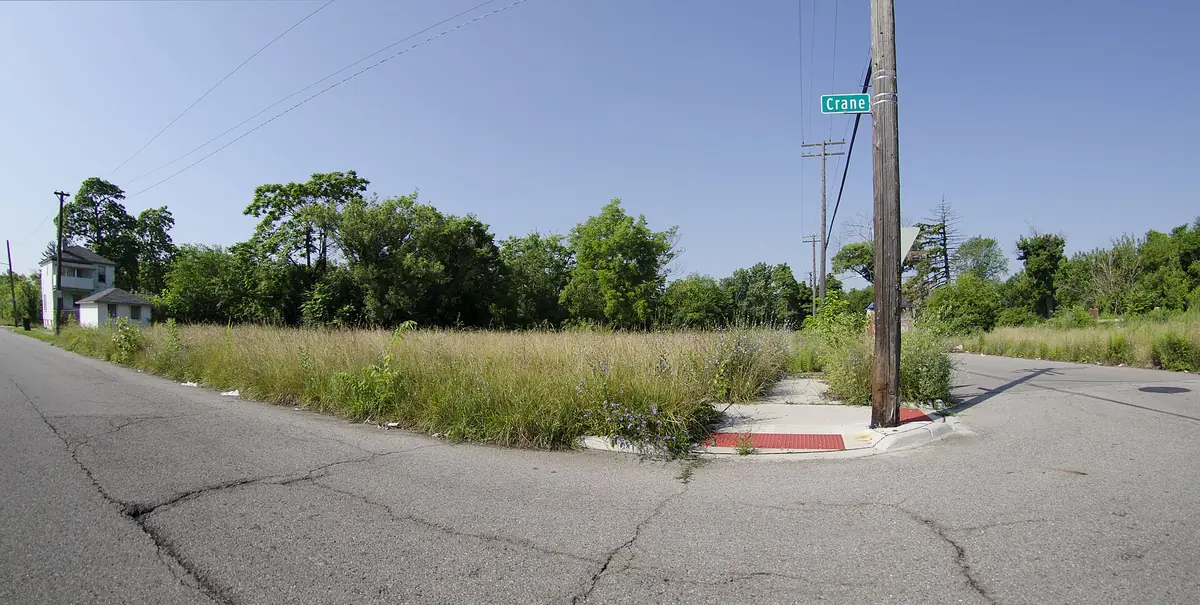
Exterior baiting means the city treats the outside of residential property. Bait is placed outdoors, where rats travel and shelter outside the home, rather than inside rooms, walls, or attics. This outdoor work is aimed at the rat activity around a property: burrows, runs along foundations and fences, and shelter points in yards and along alley lines.
The second part is enforcement. BSEED enforces the harborage rules in the Detroit City Code. That work includes responding to reported conditions, inspecting property exteriors, and issuing violation notices where a property is keeping conditions that shelter rats. Enforcement is aimed at the condition of the property itself: the shelter, food, and clutter that let rats stay in an area.
Both parts are outdoor and property focused. That scope is set by the city itself, which is why a resident can get help with outside conditions and still need separate help for rodents already living inside the house.
What the City Does Not Do Inside Your Home
The City of Detroit does not provide interior rodent extermination. That is the city's own stated position. In the BSEED frequently asked questions published by the City of Detroit, residents asking about rodents inside the home are told to contact a private company for that work.
This is the point that causes the most confusion. The city baits outside, a resident sees a city visit happen, and the mice in the kitchen or the scratching in the walls carries on. Both things can be true at once, because they are two different jobs in two different places. Exterior baiting deals with rats outside. It does not trap mice in a pantry, remove rodents from an attic, or clear an infestation inside wall voids.
Interior work also includes the steps that stop rodents coming back inside. Sealing entry points around a home, cleaning up droppings and nesting left indoors, and checking attics, basements, and crawl spaces all sit outside the city's published scope. The city programme was not set up to do that work, and the BSEED guidance points residents to private companies for it.
None of this is a criticism of the city programme. The programme covers what the city says it covers. The problem comes when a resident waits for an interior result from an exterior service, while the indoor activity continues and grows harder to clear.
Your Duty as a Property Owner Under Detroit's Rodent-Harborage Rules
Detroit law places a duty on property owners and occupants. Under section 8-15-105 of the Detroit City Code, every building and exterior property in the city must be kept free of rodent harborage and infestation. In plain words, your property must not hold the conditions that shelter rodents, and it must not be left infested.
The code also defines the key term. Under section 8-15-3 of the Detroit City Code, rat harborage means any condition under which rats may find shelter or protection. That is a broad definition. It can cover piled debris and stored clutter, dense overgrowth, unsecured trash and food waste, and burrows or sheltered gaps around garages, porches, and foundations. If rats can shelter in it or behind it, it can count as harborage.
The duty covers the outside of the property as well as the building. Yards, garages, and alley edges all matter. Detroit stopped maintaining residential alleys in the late 1980s, and alley upkeep beside a home sits with the homeowner, so a cluttered alley line behind your house can become your problem even if you did not create all of it.
There are fines behind the duty. Under section 8-15-11 of the Detroit City Code, rodent harborage fines run on a ladder of $100, $250, and $500. The figures here are stated as the code states them. Owners of rental property carry an added set of duties, covered in the section below and in more detail on the page about rodent control for landlords.
Got a Rodent or Harborage Violation Notice?
A violation notice means a city inspector has recorded a condition on your property that breaks the harborage rules described above. The notice names the condition found and tells the owner what needs to be corrected. It is an enforcement step by BSEED, and it is issued under the Detroit City Code, not by a private company.
For rental property, the responsibility sits with the owner. According to the City of Detroit, rental properties must be registered with the city and hold a Certificate of Compliance, and violations are issued to the owner of the property. A tenant does not carry the violation, even where the tenant reported the problem or first noticed the rodents. This page states the requirement as the city publishes it.
What fixes a notice is correcting the condition it names. That usually means removing the harborage: clearing the debris, overgrowth, or unsecured trash the inspector recorded, dealing with burrows and shelter points outside, and arranging treatment where there is an active infestation. Keep notes and dated photos of the work you do, and follow the instructions on your notice for how the correction is checked. Timelines depend on the type of violation and are set out in the notice itself, so read your own notice closely.
Tenants have their own route. If you rent and your landlord will not act, you can ask the city for an inspection of the rental property through the city's rental inspection system, which is a free city route for tenants. The inspection records the conditions, and any violations that follow go to the owner, as described above.
How to Report a Rat Problem in Detroit
Residents can report rodent problems to the City of Detroit through 311, the city's service request system, and through Improve Detroit, the city's reporting tool. These are the routes to use for conditions the city handles: rats around a vacant house, harborage in an alley, dumped trash that is sheltering rats, or rodent conditions at a property where the owner is not acting.
A clear report helps the city act on it. Give the exact address of the property with the problem, describe what you have seen and where, and say how long it has been going on. For a vacant house next door, say that it is vacant and describe what you can see from outside, such as overgrowth, dumped material, or burrows along the foundation. You do not need to enter the property.
Reporting is the right first step for outside conditions and for property that is not yours. The city can bait exteriors and can enforce the harborage rules against an owner who lets a property sit in that state. What a report cannot do is clear rodents from inside your own home. That limit is the subject of the next section.
When the Problem Requires a Private Rodent Pro
A private professional is the route when the problem is inside the home. That includes mice in the kitchen or pantry, scratching in walls or ceilings, rodents in the attic or basement, and droppings found indoors. The city's own guidance points residents to a private company for interior work, because the city does not do it.
Private interior work normally starts with an inspection. The inspection finds where rodents are active, how they are getting in, and what needs to happen in what order: clearing the animals, sealing the entry points, and cleaning up what was left behind. If you have received a violation notice and the conditions include activity inside the property, a private inspection is also the practical first step toward putting the interior right. Landlords who need the fuller picture on duties and paperwork can use the landlord page linked above, and general information about how private help works is on our homepage.
Using the city route and private help together is common and sensible. Report the vacant house or the alley through 311 or Improve Detroit, let BSEED handle the exterior enforcement side, and get the inside of your own home dealt with privately. Each side covers the part it is set up to cover.
How to Report a Rat Problem in Detroit
- Report through the City of Detroit 311 service or through Improve Detroit.
- Give the exact address of the property with the problem.
- Describe what you have seen and where.
- Say how long it has been going on.
- For a vacant house, say that it is vacant and describe what you can see from outside, such as overgrowth, dumped material or burrows along the foundation.
- Do not enter the property to make the report.
City Services vs Private Service
| Service | Covers | Does not cover |
|---|---|---|
| City services | Exterior residential baiting for rats outside residential property, and rat harborage enforcement, including responding to reported conditions, inspecting property exteriors and issuing violation notices. | Interior rodent extermination. It does not trap mice in a pantry, remove rodents from an attic, clear an infestation inside wall voids, seal entry points, clean up indoor droppings and nesting, or check attics, basements and crawl spaces. |
| Private service | Interior work that starts with an inspection to find where rodents are active and how they are getting in, then clearing the animals, sealing entry points and cleaning up what was left behind. | The city exterior baiting program and harborage enforcement. A violation notice is a BSEED enforcement step under the city code, not a private company action. |
Frequently Asked Questions
Does Detroit bait for free?
Yes, the city's exterior baiting is a city service carried out by BSEED on the outside of residential properties, alongside its harborage enforcement work. That baiting covers outdoor rat activity only. It does not include any treatment inside your home, and the city does not charge its way into interior work because it does not offer interior work at all.
Will the city come inside my home?
No. The City of Detroit does not provide interior rodent extermination, and the BSEED frequently asked questions published by the city tell residents to contact a private company for rodents inside the home. City rodent work stays outside, through exterior baiting and enforcement of the harborage rules.
Who is responsible, the tenant or the landlord?
The owner is responsible. According to the City of Detroit, rental properties must be registered and hold a Certificate of Compliance, and rodent and harborage violations are issued to the owner of the property. A tenant can ask the city for an inspection of a rental property, but the violation and the duty to correct the condition sit with the landlord.
How do I report the vacant house next door?
Report it through the City of Detroit's 311 service or through Improve Detroit, giving the exact address and describing the conditions you can see, such as overgrowth, dumped trash, or burrows. BSEED handles the enforcement side under the harborage rules, and violations are issued to the property owner. You do not need to enter the vacant property to make the report.