How Rodent Removal Works
Removal starts with a survey, not with traps placed at random. The technician walks the house inside and out and looks for the signs that show where rodents are actually active: droppings, rub marks along walls, gnawing, nesting material, and the runs rodents follow between shelter and food. The survey also notes likely entry points, because where an animal gets in shapes where it travels once it is inside.
That first look decides the rest of the job. One mouse travelling a single kitchen run is a different job from rats moving through a basement, a garage, and a wall void at the same time. The survey sorts out the species, the areas with activity, and how spread out that activity is. Only then is a trapping plan set, with trap numbers and placements matched to what was found rather than to a guess made on the phone.
Detroit housing shapes what a survey has to cover. About 86 percent of Detroit residential structures were built before 1970, according to the City of Detroit NRSA plan for FY2025 to 2029, based on ACS 2020 data, and about 72 percent of housing units are single-family homes, counting attached homes, according to ACS 2022 5-year data. In practice that means a survey often has to cover a basement or crawl space, an attic, a garage, and older wall voids in the same visit, and check seams where porches, additions, and garages meet the main house.
The order after the survey is steady. Traps go in along the active runs. Checks follow on a set cycle, catches and fresh signs are logged, and placements move if the signs move. When activity stops, clearance is judged on evidence over more than one check, not on a single quiet night.
The Trapping Plan and Check Cycle
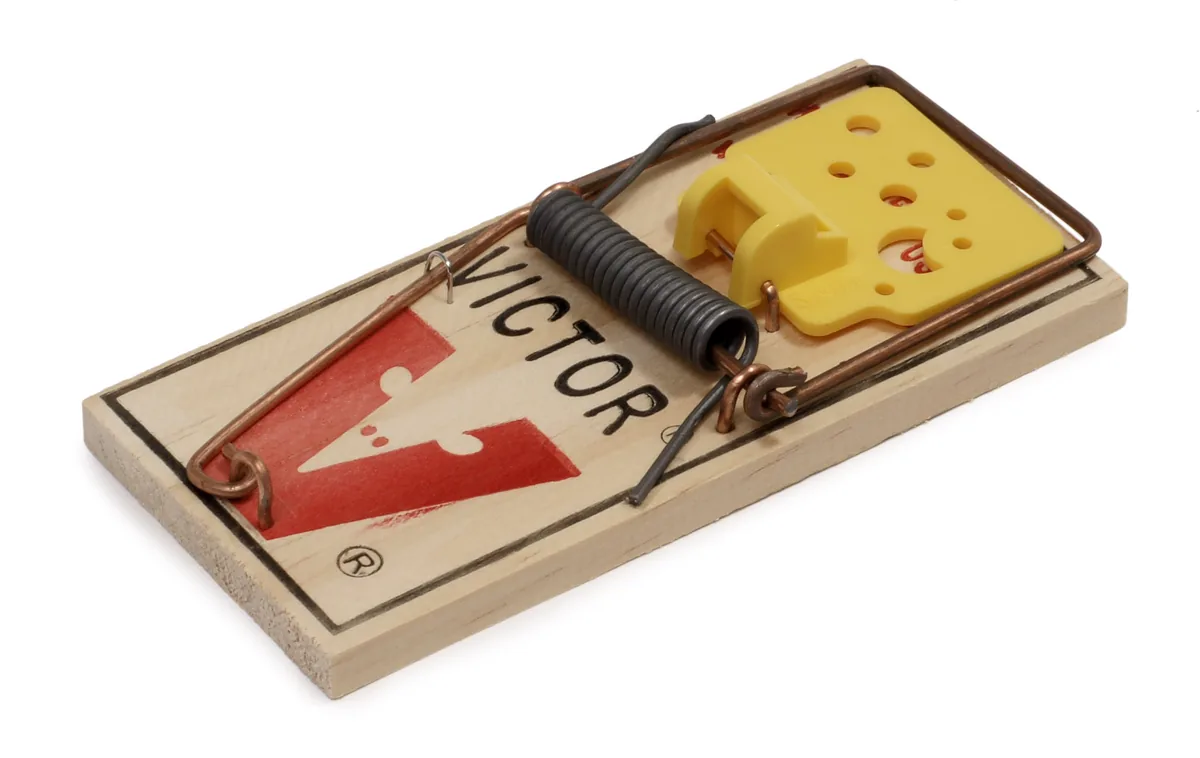
A trapping plan is a simple document with real weight behind it. It records where each trap is placed, why it was placed there, and when it will be checked. Good placements sit along the routes rodents already use: along a wall edge, behind an appliance, beside an entry hole, or on a run through a basement or attic. Rodents travel edges and familiar lines, so a trap set in the middle of an open floor rarely does the work a trap set on a run will do.
Trap choice follows the survey. Trap size has to match the animal, and placements have to account for children, pets, and how each room is used. Where a trap is placed, what lure is used, and how it is secured are set for your house at the survey, and the operator confirms those choices with you before work starts.
The check cycle is where removal succeeds or fails. Traps that are set and then left unchecked fill up, lose their lure, or miss a shift in activity, and the job stalls while it looks like work is underway. A working cycle means each trap is visited, any catch is removed, the trap is reset or replaced, the lure is refreshed, and the result is logged. That log is not paperwork for its own sake. It is the record that shows whether activity is falling, holding, or moving to a new area.
How often checks happen is set after the survey and depends on how heavy and how spread out the activity is. Checks usually start closer together while catches are coming in, then space out as the log shows activity dropping. The exact cycle for your house is confirmed on the call and at the survey, so you know when to expect each visit and what each visit should do. That check cycle is the core of rodent trapping detroit mi work, and it is also where rodent removal detroit mi differs from simply leaving traps behind and hoping for the best.
Between checks, leave traps where they were placed, note any new droppings, sounds, or sightings and where you noticed them, and keep stored food sealed. A note that scratching moved from one wall to another can change the next placement.
Ready to get the removal process started with a survey and a clear trapping plan? Call to describe the signs you are seeing and book the first visit.
Call (313) 555-0100How Clearance Is Decided
Clearance means the evidence says the active animals are gone. A job should end on that evidence, held over the check cycle, rather than on a date promised in advance or on one empty trap at a single visit.
The signs a technician weighs are practical. Traps stay empty across consecutive checks. No fresh droppings appear in areas that were active before. There is no new gnawing or fresh rub marks, and nesting areas show no new material. Your own reports matter here too: no new sounds in walls or ceilings, and no sightings in the rooms where rodents were seen before. One sign on its own can mislead, so clearance rests on the whole picture holding steady over the check cycle.
If activity continues, that is information, not a reason to declare the job done anyway. Continued catches can mean the active area is wider than the first survey showed, that a run was missed, or that new animals are still entering from outside. The response is to adjust the plan: move or add placements, recheck entry points, and keep the cycle going until the evidence changes.
The exact clearance standard for your job, including how many clear checks the operator wants to see before closing it, is confirmed by the operator for that job. Ask for it at the start, before traps go in. Knowing what done looks like in advance protects you from a job closed too early because a set number of visits ran out, and from a job that drags on with no stated end point. Detroit rodent removal done properly has a finish line you can point to, even if the date depends on what the checks find.
Removal for Rats and Mice: Where the Work Differs
Rats and mice are removed with the same overall process, survey, plan, checks, and clearance, but the details of the work differ, and mixing the two up is a common reason a job underperforms.
Rats are cautious around new objects. A new trap on a rat run may be avoided for days before a rat will approach it, so rat work often needs patience at the start and placements that sit on well used runs by foundations, garages, and basement edges. Rat traps are larger and stronger, and placement has to reflect how far a rat travels in a night, often between an outside shelter point and food or water inside. If your problem is rats only, you can read more about dedicated rat removal work and how burrows and outside runs are handled.
Mice behave differently. A mouse is more likely to investigate a new object quickly, but it travels a much smaller home range, often only a short distance from its nest. Mouse work therefore tends to use more traps, set closer together, in the specific rooms and voids where signs were found: a pantry, a kitchen run, an attic edge, or a wall void near a food source. One or two traps in a whole house will often miss a mouse problem that is centred in a single area. If mice are your main problem, see how dedicated mouse work handles trapping and monitoring indoors.
Identification at the survey keeps these differences straight. Dropping size, rub mark height, and where activity is found all point to which animal is present, and some houses have both. Where both are active, the plan runs both approaches side by side, with separate placements and a shared check log. If you are comparing this page with how hiring an exterminator differs, this page covers the removal job itself, while the hiring page covers how to choose the person doing it.
What Removal Cannot Do by Itself
Removal clears the animals that are inside now. On its own, it does not close the house, and being clear about that limit at the start saves a repeat problem later.
Removal does not seal entry points. If the gap a mouse used in a foundation joint, a sill plate, or a garage corner stays open, a new animal can use the same route after clearance. That is why removal and sealing every entry point are normally planned together, with sealing timed so no animal is shut inside a wall void. Removal alone is not enough when the entry route is still there, and any plan that skips that point should explain why.
Removal also does not clean up what rodents left behind, and it does not repair damage. Droppings, nesting, and soiled insulation are a separate cleanup job, and gnawed materials may need repair by the right trade.
One further limit involves method. A poison first approach can leave a rodent to die inside a wall or ceiling void, where it is hard to reach and can cause a strong smell for days. Trapping avoids that outcome in most indoor work because the animal is caught at a known placement and removed at the check. If a carcass does end up in a void, that becomes a different job, covered on the page about removing a dead rodent from a wall or ceiling.
Daily habits support removal but do not replace it. In Detroit, trash and recycling carts are collected weekly and carts must be out by 7 a.m., according to City of Detroit DPW guidance from November 2024. Putting carts out on schedule, keeping lids closed, and not leaving bagged trash beside a garage removes an easy food source while traps are working. It helps the plan. It does not clear animals already nesting inside, and a tidy property with an open entry point will still need the removal and sealing work.
What Can Change the Size of the Job
Two houses on the same street can need very different removal work. The survey is what turns a general description into a sized job, and the factors below are the ones that usually move it.
The species and the scale come first. A small number of mice in one room is a shorter job than rats active in a basement, a garage, and a wall void at once. Next is spread: how many separate areas show activity, and whether those areas connect. Access matters too. Traps in an open basement are quicker to set and check than traps that need attic or crawl space work on every visit. Outside runs and burrows along a foundation or garage line add survey and placement work beyond the interior. Finally, whether entry points are found that will need sealing after clearance changes the full plan, even though the sealing itself is a separate stage.
Because the size turns on those factors, a firm figure given before anyone has looked at the house is not reliable. For costs, this page gives only a pointer: full market ranges for rodent work, set out by job type, are on the page that explains how rodent control pricing is worked out in Detroit. Your own figure is set after the survey, when species, spread, and check cycle are known.
How rodent removal works
- Survey the house inside and out for droppings, rub marks, gnawing, nesting material, and the runs rodents follow
- Note likely entry points and sort out the species, the areas with activity, and how spread out that activity is
- Set a trapping plan with trap numbers and placements matched to what was found
- Place traps along active runs, along a wall edge, behind an appliance, and beside an entry hole
- Check traps on a set cycle, remove any catch, reset or replace traps, and refresh the lure
- Log catches and fresh signs, and move placements if the signs move
- Judge clearance on evidence over more than one check, not on a single quiet night
Removal methods compared
| Method | How it works | Best for | Limits |
|---|---|---|---|
| Trapping on runs | Traps set along the routes rodents already use, with size matched to the animal and placements recorded in the plan | Clearing rodents already inside, in basements, attics, and wall runs | Needs a working check cycle, and a trap in the middle of an open floor rarely does the work of a trap on a run |
| Live trapping | Used only in some situations, depending on the species and where it is active, confirmed at the survey | The limited situations where the operator confirms it fits | Most indoor removal uses lethal traps, so any live option is confirmed before work starts |
| Poison first approach | A method the page warns against for indoor work | Not presented as the first choice for indoor removal | Can leave a rodent to die inside a wall or ceiling void, where it is hard to reach and can cause a strong smell for days |
| Exclusion sealing | Sealing every entry point, planned together with removal and timed so no animal is shut inside | Closing the route after the animals inside are cleared | Removal on its own does not seal entry points, so sealing is a separate stage |
Related Services
Rodent Exclusion Detroit MI
Exclusion means sealing every entry point: coal chutes, block and stone foundations, sill plates, porch lines and garage gaps, closed with materials rodents cannot chew through. The step that stops new animals using the same routes.
Rodent Exterminator Detroit MI
The general hire for rats or mice active in the house. The visit starts with an inspection, then a plan for trapping or baiting and the follow-up checks that show whether activity is stopping.
Attic Rodent Cleanup Detroit MI
Cleanup of droppings, nesting and odours left in an attic after rodents are cleared, with a plain account of when insulation can stay and when it has to come out.
Frequently Asked Questions
How long does removal take?
Removal takes as long as the check cycle needs to reach clearance, which is usually a matter of weeks rather than a single visit. A small, contained mouse problem can clear faster than a spread out rat problem with outside runs. The survey gives the first realistic estimate, and the check log shows whether the job is on track or the plan needs to change.
Do you remove rodents alive, or use lethal methods?
Most indoor rodent removal uses lethal traps, because the animal is caught at a set placement and removed at the check, while live trapping is used only in some situations and depends on the species and where it is active. The methods for your job are the operator's, so the exact approach, including any live option, is confirmed on the call and at the survey before work starts. Ask which method will be used in each area of your house if that matters to you.
Will you check the traps?
Yes, checking the traps is a core part of the job, not an extra. On each check visit, traps are inspected, any catch is removed, traps are reset or replaced, lure is refreshed, and the result is logged. How often those checks happen is set after the survey for your house and confirmed with you at the start.