Streets Built Along Canals: The Outdoor Check Comes First
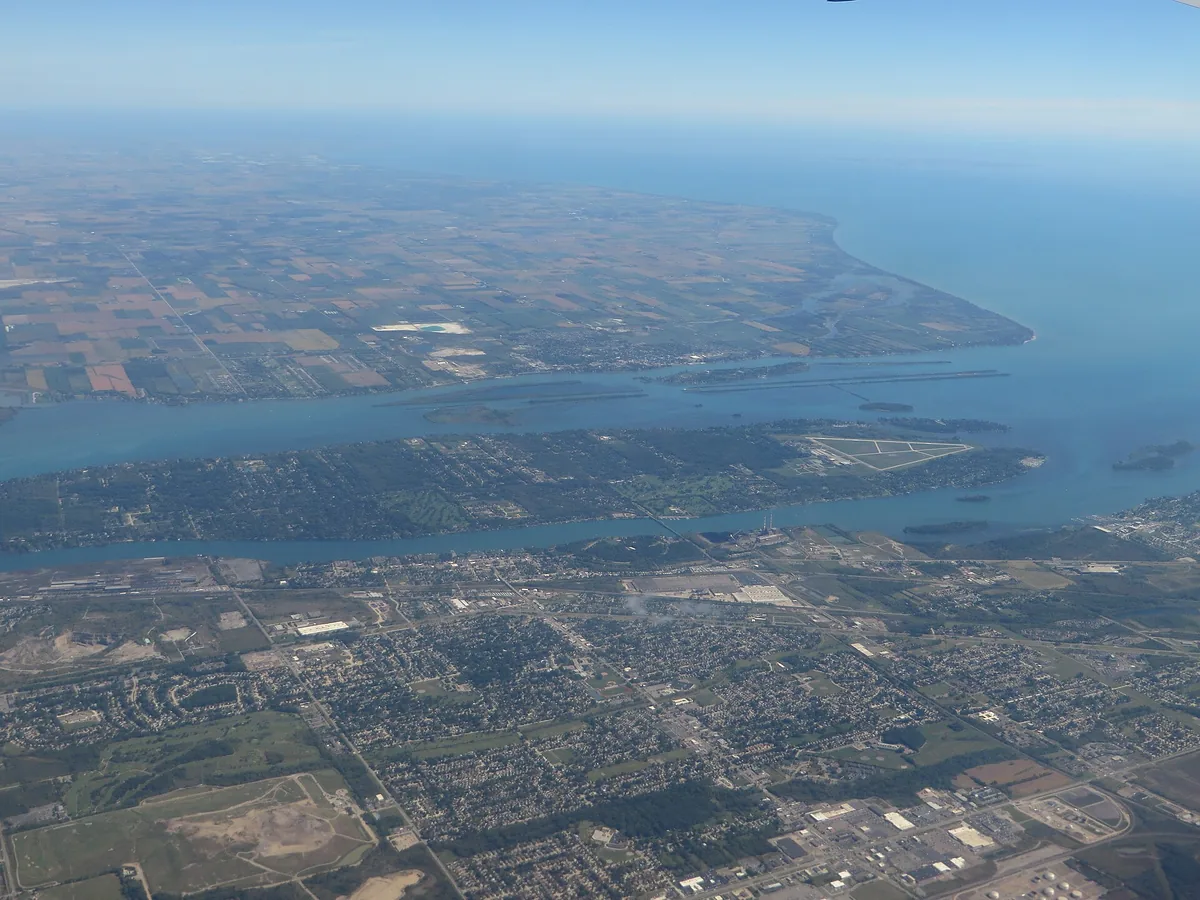
Jefferson-Chalmers, at Detroit's far east end, is a riverfront neighbourhood where several streets are built along canals cut in from the Detroit River. Houses here sit near water, and that single fact rearranges the order of a rodent visit. On most Detroit streets the inspection starts at the house. Here it starts at the water's edge and works inward, because the outdoor structure of the neighbourhood is canal bank, seawall and dock edge, and those edges are where rat burrows are checked first.
A burrow check along a canal looks for fresh digging at the base of a seawall, holes where a bank meets a lawn, and runs worn through grass between the water and a garage or house wall. Rats burrow in soft ground close to cover and close to food, and a canal edge with dock material, stored items and planting along it offers all three. The check is factual: which burrows are active, judged by fresh soil and clean entrances, and which are old. Old holes are recorded too, because a bank that has been burrowed before is a bank to recheck on follow-up visits.
Low ground along the canals is part of the same check. Where a yard sits low, water collects after rain, timber and stored items stay damp, and growth along the bank runs thick. That is harbourage in the plain sense: shelter a rat can sit in during the day. Clearing a job here never means treating the river or the canal itself. It means the edges and ground on your parcel, and the shell of your buildings.
Garages, Seawalls and the House Behind Them
Garages carry much of the indoor risk in Jefferson-Chalmers. Many sit between the house and the water or along the canal side of the lot, and they hold boats, fishing gear, cushions, feed and tools. A garage door with a worn seal at the corner, on a slab close to the bank, is an easy first building for a rat travelling the seawall line. From the garage, activity reaches the house along fence lines, utility runs and any attached or covered link between the buildings.
The house itself is checked the same way as elsewhere in the city, with two additions. Openings on the water-facing wall matter as much as the street side, because that is the side the runs arrive from. And pipe and drain lines that run toward the canal, including old or disused lines, are checked where they pass through the foundation. Detroit housing is old across the city, with about 86 percent of residential structures built before 1970, and this neighbourhood's stock shares the usual ageing points: mortar joints, sill plates, porch lines and soft-filled utility holes.
Season sets the tempo outdoors. Outdoor rat activity in Detroit peaks from June to October, which is also the season when docks, boats and yards here are in full use and food waste around outdoor spaces is most common. The city's own role stays limited: BSEED does exterior baiting and harborage enforcement only, and does not exterminate inside homes or garages.
In Jefferson-Chalmers and finding burrows near the canal or garage? Call to book an inspection and get the water-side edges checked.
Call (313) 555-0100How a Jefferson-Chalmers Job Is Run
The visit begins with a full inspection that walks the parcel from the water inward: seawall and dock edges, bank and low ground, garage, then the house shell, basement and attic. Findings go onto a map with photos, separating outdoor burrow and harbourage items from the openings in the buildings themselves. Jobs booked through this site are handled by an independent Michigan-licensed operator, and the quote follows the map in writing.
Clearing runs on two fronts where the map shows activity. Rat trapping along the runs found covers the garage and the routes between bank and buildings, checked and reset on a cycle until activity stops. Inside the house, trapping follows the signs the inspection found. If a rodent has died in a wall or ceiling void, which is a known risk where poison has been used before, removing a dead rodent is a separate step handled by location, not left to fade.
Sealing then closes the buildings: entry-point sealing on the water-facing walls as well as the street side, garage seals renewed, foundation joints repaired and disused line openings closed. Outdoor harbourage on your parcel is cut back as part of the same plan, and day to day prevention habits adapted to canal lots, such as keeping dock and bank storage tidy, bins closed and growth along the seawall cut, hold the result between follow-up checks. Follow-up visits recheck the bank and burrow lines as well as the sealed points, because on a canal street the outdoor edge is where new activity shows first.
Problems and pain points in Jefferson-Chalmers
On a canal street, signs often show outside first: a burrow at the seawall, a worn run through grass, then droppings or a rodent smell in the garage. When activity reaches the house, scratching in a wall or ceiling void at night adds worry about damage you cannot see in the shell.
Homeowners here are right to ask what a job actually covers, since the river and canal themselves are not treated. The work is set out on a map with photos that separates burrow and harborage items on your parcel from openings in the garage and house, quoted in writing, and rechecked at the bank line on follow up visits.
Common entry points in Jefferson-Chalmers homes
| Housing feature | Where rodents get in | What closes it |
|---|---|---|
| Seawall and dock edge | Burrows at the base of the seawall and holes where the bank meets the lawn | Active burrows trapped along their runs, old burrows recorded and rechecked, and bank storage and growth cut back |
| Low ground along the canal | Damp low areas where timber and stored items give daytime shelter close to the buildings | Stored items tidied off the ground and growth along the bank cut back on your parcel |
| Canal side garage on a slab | Worn corner seal on the garage door close to the bank, and slab edge gaps | Garage seals renewed so the door meets the slab along its full length |
| Water facing house wall | Foundation gaps and soft filled utility holes on the side the runs arrive from | Entry points on the water facing wall sealed as well as the street side |
| Pipe and drain lines toward the canal | Openings where lines pass through the foundation, including old or disused lines | Line openings closed and disused lines capped at the foundation |
Signs to check in Jefferson-Chalmers homes
- Fresh loose soil at burrow entrances along the seawall
- Worn runs through grass between the water and the garage
- Droppings or rodent smell in the canal side garage
- Worn garage door corner seals close to the bank
- Gaps on the water facing foundation wall
- Open or disused drain lines at the foundation
- Damp stored items and thick growth along the bank edge
Rodent services in Jefferson-Chalmers
Every Jefferson-Chalmers job is part of the wider service area covered across Detroit, and each service below is described in full on the main Detroit rodent control page.
Rodent Exclusion Detroit MI
Exclusion means sealing every entry point: coal chutes, block and stone foundations, sill plates, porch lines and garage gaps, closed with materials rodents cannot chew through. The step that stops new animals using the same routes.
Rodent Inspection Detroit MI
A full check of kitchens, attics, basements, crawl spaces, garages and the alley line, ending with an entry-point map and photos. Start here when you have signs but no certainty about the animal or the route in.
Rat Removal Detroit MI
Removal focused on rats at ground level: burrows along foundations, runs near garages, and the trap checks that follow. The page also sets out where removal ends and sealing work begins.
Frequently Asked Questions
How can I tell if a burrow by my seawall is active?
Look for fresh, loose soil at the entrance, a clean swept opening and a worn run through grass to cover or food. An old burrow is usually collapsed, webbed over or filled with leaves. The inspection records both: active burrows join the trapping plan, old ones are listed for rechecking.
Does the canal itself get treated?
No. The work covers your parcel and your buildings: your bank and seawall edge, the garage and the house. What can change on a canal lot is the cover and stored material along your edge, your garage seals and the openings in your house shell.
My garage sits close to the water and smells of rodents. What happens first?
The garage is inspected as its own building: door seals, slab edges, stored items and signs along the walls. If rats are active, trapping is set along their runs and checked on a cycle, and sealing follows once activity clears. Food and soft stored items move into sealed hard containers.