The Oldest Streets in the City, and What That Means Indoors
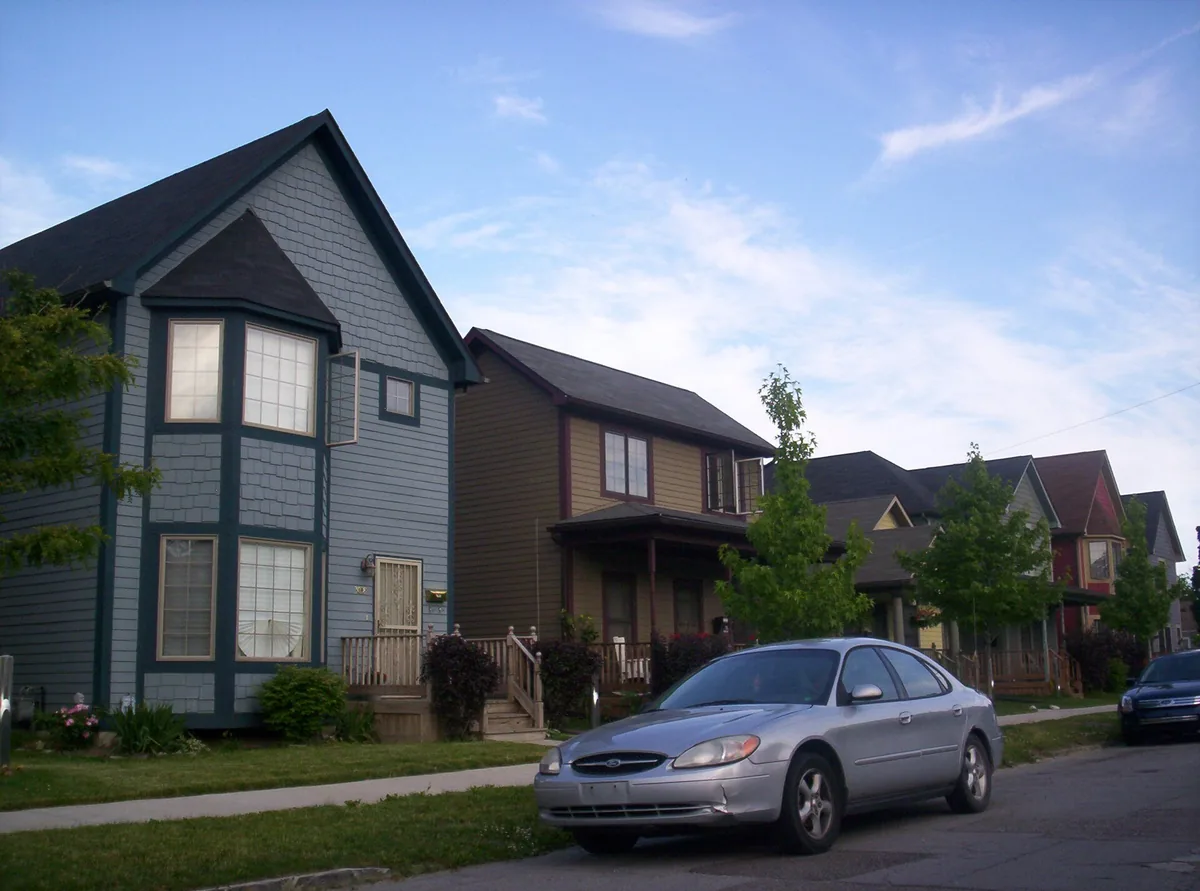
Corktown is Detroit's oldest surviving neighbourhood. Its streets hold Victorian-era brick homes, workers' cottages and row houses, with the Michigan Avenue commercial corridor and its restaurants running through it. This is not a district of towers or large blocks. Most rodent work here is house by house, and the age of each house is the main fact in the job. A cottage that has stood for well over a century has had its heating, plumbing and wiring changed several times, and each change can leave an opening behind.
The houses sit close together, often with a rear alley behind the garden. An inspection looks at the whole plot, front foundation to rear alley, rather than only the room where a mouse was seen.
Foundations, Crawl Spaces and Coal-Era Openings
Very old foundations drive much of the work. Brick, block and stone lose mortar over time, and a joint opened at ground level gives a mouse a route hard to see from inside. Cottages may sit over a crawl space rather than a basement. Rodents can reach that sheltered void first, then use a pipe gap or rotted sill plate to get into the house.
Coal-era openings are a second Corktown list. Many older houses were heated with coal, delivered through a metal chute door low on the foundation wall. The door and frame often remain long after the heating changed. A rusted frame or a warped door leaves a gap at exactly the low level where a rat travels along a foundation line. Old cleanout doors, disused vents and holes left by removed pipes belong on the same check, including the ones hidden behind a porch or stored items.
Additions and porches add seams. Where an extension or rear porch meets the original brick, the join can open as materials age. An inspection should follow those seams inside and out.
Worried about an old foundation or coal chute in Corktown? Call to book an inspection and get every opening in your house mapped.
Call (313) 555-0100Rear Alleys and the Work Behind the House
Rear alleys are part of the Corktown picture. Detroit stopped maintaining residential alleys in the late 1980s, so alley upkeep is the homeowner's responsibility. Long grass, stored items and waste left along an alley give rodents harborage close to back doors, garage gaps and garden fences. Burrows can appear in soft ground along a fence or garage line, and outdoor rat activity peaks from June to October, when alley and garden cover is at its thickest.
Clearing an alley does not seal a house. A tidy rear plot reduces shelter, but the house still needs its foundation, crawl space and coal chute checked and closed. Homeowners usually do the alley part themselves, while sealing the building is the operator's work.
How a Corktown Job Runs, Step by Step
The job starts with a full inspection of the foundation, crawl space or basement, porch lines, garage and rear plot. Each opening is recorded on a map with photos, so the owner can see the coal chute, the mortar joint and the crawl space gap as separate items with separate repairs. Clearing for the rodents already inside is planned alongside that map, not before it, so the sealing order can be set without trapping an animal in a wall.
Then comes entry-point sealing with materials that match the opening. A masonry joint needs a repair that bonds to it, often backed by mesh where the gap is wide. A pipe hole needs a tight, chew-proof fill. A coal chute may need sheet metal work and sealed edges. Where mice are active inside, work on indoor mice covers the clearing, and where rat signs or burrows appear at the rear of the plot, rat clearing is the fitting service. A follow-up visit rechecks each point on the map.
For the restaurants and small premises on Michigan Avenue, the same old shells hold food storage and waste areas, so help for commercial premises may be the right route for a business address. Jobs booked through this site are fulfilled by an independent, Michigan-licensed pest control operator. This site connects customers with that operator and does not itself perform treatments. Questions about what a job of this size involves on price are covered in the guide to how rodent control pricing is worked out in Detroit.
Problems and pain points in Corktown
In a small cottage, droppings in a living room or kitchen feel close and personal, and scratching in the wall at night is hard to ignore. The bigger worry sits out of sight. Rodents in a crawl space can reach pipes and wires under the floor, and nesting can soil the void before you see a sign inside. A coal chute or old vent you never use can be the open door.
Owners here are often wary of a quick quote given from the front door. Corktown houses hide gaps at the rear, along porch seams and low on the foundation by the alley. People fear paying for indoor work while the outside route stays open, then hearing the same sounds again. A photo map of each opening, front to rear alley, makes the price and the follow-up check clear.
Common entry points in Corktown homes
| Housing feature | Where rodents get in | What closes it |
|---|---|---|
| Brick and stone foundations | Open mortar joints at ground level | Repair the joint with masonry, backed by mesh where the gap is wide |
| Coal chutes | Rusted frame or warped low metal door into the basement or crawl space | Fit sheet metal work and seal the frame edges |
| Crawl spaces | Foundation gaps leading to pipe holes and rotted sill plates | Close foundation gaps and seal pipe holes with chew-proof fill |
| Rear porches and additions | Seams where the porch or extension meets the original brick | Seal the join inside and out |
| Garages and rear alleys | Gaps at garage doors and burrow areas along fence and garage lines | Seal garage gaps and clear shelter along the alley plot |
Signs to check in Corktown homes
- Low coal chute door that is rusted, warped or loose
- Open mortar joints low on the foundation wall
- Droppings or nesting signs at crawl space vents and edges
- Burrows along the rear fence, garage line or alley
- Gaps where a porch or rear addition meets the brick
- Old cleanout doors, disused vents or holes from removed pipes
Rodent services in Corktown
Every Corktown job is part of the wider service area covered across Detroit, and each service below is described in full on the main Detroit rodent control page.
Rodent Exclusion Detroit MI
Exclusion means sealing every entry point: coal chutes, block and stone foundations, sill plates, porch lines and garage gaps, closed with materials rodents cannot chew through. The step that stops new animals using the same routes.
Rodent Inspection Detroit MI
A full check of kitchens, attics, basements, crawl spaces, garages and the alley line, ending with an entry-point map and photos. Start here when you have signs but no certainty about the animal or the route in.
Rat Removal Detroit MI
Removal focused on rats at ground level: burrows along foundations, runs near garages, and the trap checks that follow. The page also sets out where removal ends and sealing work begins.
Frequently Asked Questions
My cottage still has a coal chute. Should it be checked?
Yes. A coal chute door and frame that are no longer used can rust, warp or lose the seal around the frame, leaving a low gap into the basement or crawl space. It should be on the inspection list for any Corktown house that still has one, even if no signs have been seen near it.
What is different about a crawl space house?
A crawl space is a shallow sheltered void under the house, close to pipes and the sill plate. Rodents can reach it through a foundation gap and then use a pipe hole or damaged timber to get further in. The inspection needs access to that space, or at least to its vents and edges, to check it properly.
There are burrows along our rear alley. Is that a house problem?
Burrows along a fence, garage line or alley edge show rodents are living close to the house, and the house should be checked for gaps at the rear foundation, garage and porch. Alley upkeep is the homeowner's responsibility in Detroit, so clearing shelter along the alley and sealing the house are two parts of the same visit plan.
Can I just fill the gaps with foam myself?
Foam on its own is not a rodent seal, because rodents can chew through it. It can sit behind a chew-proof layer as backing, but a foundation joint, a coal chute or a pipe hole needs mesh, metal or masonry that a rodent cannot pull or gnaw out. An inspection map shows which material each opening needs.