Small Homes on Streets Shared With Open Land
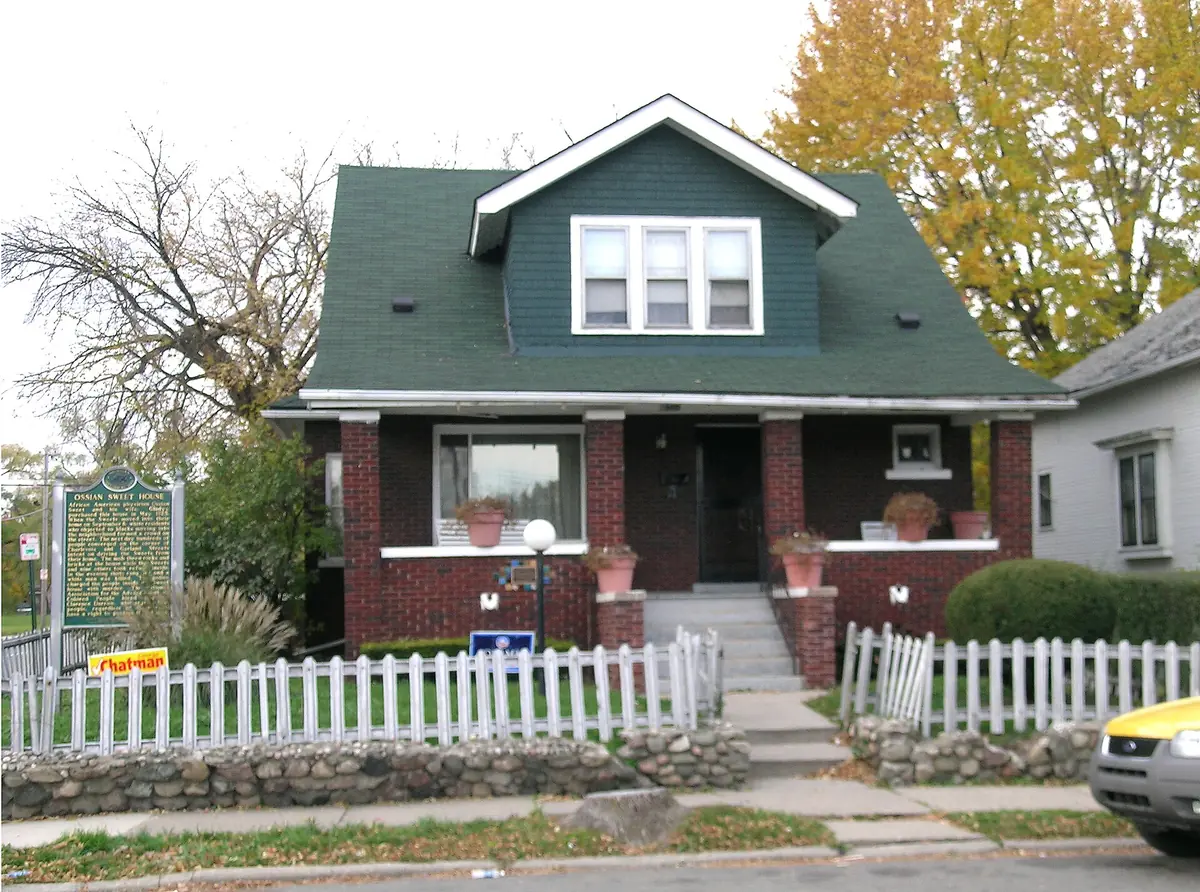
Brightmoor is a northwest Detroit neighbourhood of modest bungalows and small single-family homes. The houses are compact, often one storey with a small basement or crawl space, a front porch and a detached garage behind the house along the alley. What sets the area apart from denser Detroit streets is the amount of open land in between. A high share of vacant lots and vacant land runs between occupied streets, so an occupied house here often stands next to an empty parcel rather than next to another house.
That pattern matters for how a visit is planned. On a fully built street, the check is mostly the house itself. In Brightmoor, the check also takes in what sits beside the house: the side lot line, the garage, and the stretch of alley behind the property. Community gardens and active block clubs are part of the neighbourhood, and many residents keep their own lots carefully. Work booked here deals with your house and your parcel. It does not rate one street against another, and an empty lot on its own is not a finding. Adjacency is a fact to inspect around.
The housing itself is older small-home stock, in line with the wider city. About 86 percent of Detroit residential structures predate 1970, and 34.8 percent of housing units were built in 1939 or earlier. Small homes from that era share the same ageing points as larger ones: mortar that has softened, wood that has shrunk at the foundation line, and openings left by old utility work.
Where Rodents Shelter and How They Reach the House
The outdoor mechanism in Brightmoor is harborage. Tall growth, brush and stored material on an overgrown vacant lot give rats cover close to occupied homes. Cover on its own does not put a rodent inside a house, but it shortens the distance between shelter and the foundation line, and rats travel along edges: fence lines, garage walls and the sides of porches. From that cover, the usual routes in are the same as anywhere in Detroit. Gaps at the base of an older small-home foundation, a rotted section of sill plate, an open hole where a pipe or cable enters, and a porch that sits open underneath all give direct access to a basement or wall void.
Garages and alley lines need their own check. Detroit stopped maintaining residential alleys in the late 1980s, so alley upkeep is the homeowner's job. A garage door that sits unevenly leaves a corner gap at floor level, and debris against a garage wall gives cover right at that gap. Mice use the garage as a first stop, then follow the wall line to the house where the buildings sit close together.
Inside, the signs follow the stock: droppings along basement walls, rub marks at floor level, gnawed packaging in a small pantry, scratching in a ceiling or wall void. Outdoor rat activity peaks from June to October, while mice move indoors from September to February, with first fall frost averaging October 24. A Brightmoor house can need the outdoor check in summer and the indoor check in autumn, for different animals on different routes.
In Brightmoor and seeing signs around the house, garage or alley line? Call to book an inspection and get the entry points mapped.
Call (313) 555-0100What a Job Looks Like on a Brightmoor Street
The work starts with a full inspection of the house, garage and lot lines. The inspector records droppings, burrows, rub marks and each opening found, and sets the findings out as a map with photos. Cover on a neighbouring vacant parcel is noted as context, not treated as part of your job, because the work you book covers your property.
Clearing comes next. Traps are placed along the runs the inspection identified, inside the house and in the garage where activity was found, and checked on a set cycle. For rats travelling between lot cover and the house, rat trapping along outdoor runs may form part of the plan. For mice inside a small house, mouse trapping and monitoring is usually the core of the clearing work. Jobs booked through this site are handled by an independent Michigan-licensed operator, and the plan for your house is set out in writing after the inspection.
Once inside activity clears, the openings are closed. Entry-point sealing in Brightmoor most often means foundation gaps repointed or backed with mesh, pipe holes packed and capped, a porch line closed so it no longer shelters the wall behind it, and a garage seal that meets the floor along its full length. A follow-up visit then checks the sealed points and looks for fresh signs. Around the house, day to day prevention habits such as cutting growth back from the foundation and keeping trash carts closed reduce cover closest to the walls. Figures are quoted only after an inspection, because two bungalows on one street can need very different lists.
Problems and pain points in Brightmoor
Hearing scratching in a ceiling or wall void at night is hard to ignore, and finding droppings along basement walls or gnawed packaging in a small pantry makes the worry concrete. In a compact bungalow with a small basement or crawl space, there is little distance between where rodents travel and where you live and store food.
The harder part is what you cannot see. Homeowners worry about chewed wires and soiled insulation hidden in voids, and about paying for work that stops once the payment clears. A written map from a full inspection of the house, garage and lot lines, with a follow-up visit that rechecks each sealed point, is how that distrust is answered.
Common entry points in Brightmoor homes
| Housing feature | Where rodents get in | What closes it |
|---|---|---|
| Small bungalow foundation | Gaps at the base where mortar has softened and wood has shrunk at the foundation line | Joints repointed or backed with mesh and the line sealed at ground level |
| Rotted sill plate section | Opening where the sill plate has rotted on top of the foundation | Rotted section repaired and the gap closed so the wall sits tight on the foundation |
| Open porch underneath | Access under a porch that shelters the wall behind it and leads to the basement or wall void | Porch line closed so it no longer shelters the wall behind it |
| Pipe and cable entries | Open holes where a pipe or cable enters through the foundation | Holes packed and capped with chew proof material |
| Detached garage on the alley | Corner gap where an uneven garage door does not meet the floor | Garage seal fitted so the door meets the floor along its full length |
Signs to check in Brightmoor homes
- Droppings along basement walls and at floor level
- Rub marks at floor level near foundation gaps
- Gnawed packaging in a small pantry or storage area
- Scratching in a ceiling or wall void at night
- Gaps at the base of the foundation and around pipe entries
- Corner gaps under the garage door along the alley line
- Tall growth or debris against garage walls and the foundation
Rodent services in Brightmoor
Every Brightmoor job is part of the wider service area covered across Detroit, and each service below is described in full on the main Detroit rodent control page.
Rodent Exclusion Detroit MI
Exclusion means sealing every entry point: coal chutes, block and stone foundations, sill plates, porch lines and garage gaps, closed with materials rodents cannot chew through. The step that stops new animals using the same routes.
Rodent Inspection Detroit MI
A full check of kitchens, attics, basements, crawl spaces, garages and the alley line, ending with an entry-point map and photos. Start here when you have signs but no certainty about the animal or the route in.
Rodent Removal Detroit MI
The clearing work itself: a trapping plan, repeat checks, and a clearance decision based on what the checks find. For animals in attics, garages or wall voids now, with activity confirmed clear at the end.
Frequently Asked Questions
The lot next to my Brightmoor house is vacant and overgrown. Can anything be done?
Your own parcel can be cut back, cleared and checked along the shared lot line. A lot you do not own is outside the job, and harborage there is a city enforcement matter. Sealing your foundation, porch line and garage closes the routes into your home.
Who is responsible for the alley behind my house?
The homeowner. Detroit stopped maintaining residential alleys in the late 1980s, so the stretch behind your property is yours to keep clear. Growth and material along the garage line give cover where door gaps are found, so that line is checked at the inspection.
Will the City of Detroit deal with rodents inside my home?
No. Through BSEED, the city does exterior baiting and harborage enforcement only, and does not exterminate inside homes. Interior trapping and sealing are private work, which is what a booked inspection covers: the house, the shell, the garage and your lot lines.