Rodent Control Built Around the Whole House
A house does not have a mouse problem in one corner and a separate one in another. It has routes. Rodents move between the attic, walls, basement and kitchen along pipes, wires and voids, and get in through openings on the outside shell. Work that only deals with the room where you saw droppings leaves the rest of that route open.
That is why rodent control for homes detroit works best as a whole-house job. The inspection covers the living spaces and the hidden ones, and follows the exterior line from the roof edge down to the foundation, the garage and the alley side. The findings then shape one plan for the house, covering what is inside now, how it is getting in, and what has to change so the same signs do not start again in a few weeks.
The order matters. Find the activity and the entry points. Clear the animals already inside. Then seal the openings, a job called exclusion, meaning sealing every entry point, once clearing is underway or complete. Sealing too early can shut an animal inside a wall. Clearing without sealing leaves the door open for the next one. The page about sealing entry points around a Detroit home covers that job in full.
Home service differs from commercial work too. A business usually buys monitoring, records and scheduled checks across a site. A homeowner buys a result for one property and lives with the work day to day, so access, pets and stored food shape trap placement and visit timing. Workplaces and multi-unit sites sit on the commercial service page.
Age pushes Detroit houses this way on its own. The City of Detroit NRSA for FY2025 to 2029, using ACS 2020 figures, puts 86 percent of Detroit residential structures as built before 1970. ACS 2022 5-year figures put 34.8 percent of housing units as built in 1939 or earlier, and only about 1 percent of homes were built after 2010, on the NRSA figures.
What a Home Service Programme Looks Like
A home programme starts with an inspection, not with traps. The first visit should work through the kitchen and pantry for droppings and gnaw marks, check along walls and behind appliances, look at attic access, the basement and any crawl space, then walk the outside. Garage edges, porch lines, utility entries and the foundation line all belong on that walk. That check on its own is the job on the home inspection page.
At the end of it you should have three things in hand. A map or written list of the entry points found. Photos or notes showing where signs were seen and which species they point to. And a written quote separating the work into its parts, clearing, sealing and any cleanup, so you can see what you are paying for and what is not included.
The clearing stage follows. Traps go along runs and near the routes rodents use, checked on a cycle the operator explains before work starts. A check visit should do real work each time: traps checked and reset or moved, new signs noted, bait placements, where bait is used at all, inspected and changed when needed, and the house record updated. A visit where nothing is checked, changed or written down is hard to justify, so ask what each visit will do before agreeing to a series of them.
Residential rodent control detroit mi then moves to sealing, and after that to monitoring. Once openings are closed and activity has stopped, later visits confirm the house stayed clear and catch new gaps early, for example after storm damage. How long each stage lasts depends on the inspection findings.
If the animals inside are the urgent part, compare this shape with the narrower hires on the removal page and the exterminator page. The residential programme is the wider frame holding those jobs together, in the right order.
Ready to get your house checked as a whole, not room by room? Call to describe the signs you found, your housing type, and whether you own or rent it out, and get the inspection booked.
Call (313) 555-0100Houses Like Yours: What Changes by Detroit Housing Type
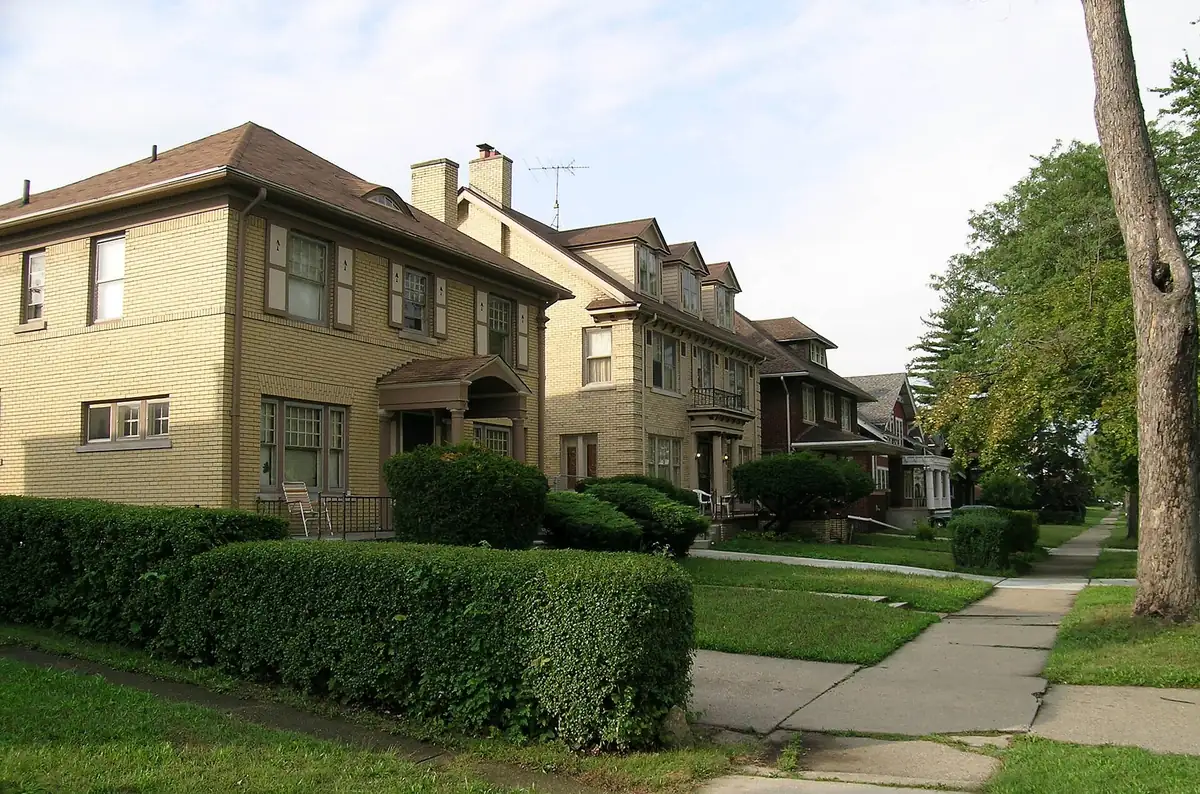
Detroit is a single-family city by stock. ACS 2022 5-year figures put 72.0 percent of housing units as single-family homes, including attached homes, with 65.1 percent detached. That stock comes in distinct forms, and the form changes where rodents get in and what an inspection should check first.
Bungalows
A Detroit bungalow packs a lot of rodent route into a small footprint. The low roof line puts attic space close to living areas, so scratching overhead is often the first sign. The short run from ground to roof edge leaves gaps at the eaves and utility entries within reach of animals climbing from the yard.
Mice are the usual bungalow problem indoors, and their season here runs from September to February, with entry pressure building in the fall. When nights drop into the 40s and then the 30s, mice look for warm voids, and a bungalow attic and wall cavities give them exactly that. Winter is an active indoor season for mice, not a quiet one, so pantry droppings in January deserve the same response as in October. Check the attic hatch and insulation for nesting, the kitchen run for droppings, and the basement or crawl space below.
Brick Colonials and Tudor-Era Homes
The brick colonial and Tudor-era houses of the 1920s to 1940s are a large part of that pre-1939 share in the ACS 2022 figures. Brick and stone shells look solid, but weak points collect in predictable places. An inspection should check old utility openings and coal chutes, mortar gaps around block or stone foundations, sill plates where the frame meets the masonry, and the lines where porches and additions join the main house.
Rats are the pressure to plan for outside these homes in the warmer part of the year. Outdoor rat activity in Detroit runs from June to October, and the work focuses on the ground around the house. Burrows along foundations, garage door gaps, clutter against the alley line and accessible food waste all give rats shelter close to the shell. Clearing burrows and tightening the garage and alley line in those months keeps an outdoor problem from becoming an indoor one. The rat-focused help page goes deeper, and mice have their own route on the mouse visits page.
Duplexes
A duplex shares more than a roof. Both units often share wall voids, a basement, an attic run and the same exterior shell, so a problem starting in one unit can travel into the other unseen. Droppings in your kitchen may trace back to an entry point on the other side of the building, and sealing only your half can leave the route open.
That shared structure changes the scope. The inspection needs access to common areas, the basement and the full exterior line, not just the unit where signs appeared, and the quote should say who agreed to that coverage. If one side is rented out, read the renting section below before booking.
A Plan for the House - or a One-Off Job?
Homeowners comparing home rodent control services detroit usually reach the same fork. Pay for a single job that clears the current problem, or take a plan that spreads visits over time. Neither answer is right for every house, and a seller who pushes one before inspecting your home is telling you about the sale, not your problem.
A one-off job often fits when the problem is limited and the cause is clear: one entry route found and sealed, activity in one area, no history of the problem returning. You are then buying the inspection, clearing and sealing as a single defined job, with scope and price in writing before it starts.
A plan can fit when the house gives rodents more to work with: a larger or older shell with several entry points, a duplex with shared voids, a garage and alley line needing repeat checks during the outdoor rat months of June to October, or mice returning each fall when nights turn cold. On that kind of property, follow-up visits confirm the sealing held, catch new gaps, and keep a record of activity across a season.
Whichever way you lean, choose on the paperwork, not the pitch. Ask what each visit does, how the arrangement ends, and what happens if activity continues between visits. Ask for the one-off quote and any plan quote side by side, on the same scope. If a plan is offered, its terms, visit pattern and ending conditions should be written down before you sign, to read away from the door. The habits that keep a cleared house clear are on the prevention page.
There is also a middle answer. Some houses need the one-off job now and a fresh look in the fall, not a standing arrangement at all. A provider who can tell you that, and say why, is giving you an answer worth trusting.
Renting Your Home Out? Start With the Landlord Rules
Census QuickFacts for 2020 to 2024 put Detroit owner-occupied rate at 50.3 percent, so roughly half of occupied homes are rentals. That split shapes this page. The sections above speak to the owner half, who can authorise work on the building itself. If you rent your home out, your problem runs through a different set of duties and paperwork, and it deserves its own page rather than a summary here.
The short version is simple. A tenant usually reports the signs, but the owner is normally the person who can agree to inspection access, clearing work and changes to the shell, such as sealing entry points. Booking for a tenanted property therefore starts with the owner side sorted out, including who attends visits and who receives the written findings.
For the rules themselves, including what Detroit expects of rental owners and what happens after a tenant reports rodents, go to the dedicated page for Detroit landlords. This page does not repeat that material. If you own and live in your home, stay here. If the house is a rental, start there and come back for the housing-type sections once the responsibility side is clear.
What Shapes the Work for a House
Two houses on the same street can need very different amounts of work. Size and number of levels set the length of the inspection and the sealing run, and housing form matters too. A duplex with shared voids takes longer to map than a detached bungalow, and a Tudor-era brick shell carries a different checklist from a frame house.
Activity level comes next. A few droppings in one pantry point to a smaller job than droppings across a kitchen, nesting in an attic and burrows along a foundation at the same time. Access matters as well. Blocked access, low crawl spaces or finished ceilings can limit what can be checked on a first visit, and you should be told where those limits are.
What sits around the house counts. Garage door gaps, clutter along the alley line and bins left open near the shell raise pressure on the building, and dealing with that harborage can be part of the job or your own homework before it starts. Cleanup can add to the scope where droppings or nesting built up in an attic or basement.
On cost, this page gives you the shape rather than figures, because the honest number for residential rodent control detroit mi follows the inspection of your own house. To sense-check a quote against Detroit market ranges by type of job, use the page covering what rodent control costs in Detroit. Compare the scope on your quote against those ranges, and be wary of any whole-house price given before anyone has walked around it.
What a Home Service Program Looks Like
- The job starts with an inspection, not with traps.
- Check the kitchen and pantry for droppings and gnaw marks, and look along walls and behind appliances.
- Check attic access, the basement and any crawl space.
- Walk the outside, including garage edges, porch lines, utility entries and the foundation line.
- Get a map or written list of entry points, and photos or notes on where signs were seen and which species they point to.
- Get a written quote that separates clearing, sealing and any cleanup, and says what is not included.
- Traps go along runs and near the routes rodents use, checked on a cycle the operator explains before work starts.
One-Off Job or a Plan for the House
| Option | What you get | Best for | Limits |
|---|---|---|---|
| One-off job | Inspection, clearing and sealing as a single defined job, with scope and price in writing before it starts. | A limited problem with a clear cause: one entry route found and sealed, activity in one area, and no history of the problem returning. | Follow up is limited to the visits named in the written quote for that job. |
| Prevention plan | Follow up visits over time that check traps and placements, note new signs, confirm sealing held, catch new gaps and keep a record of activity across a season. | A larger or older shell with several entry points, a duplex with shared voids, a garage and alley line needing repeat checks in the June to October outdoor rat months, or mice returning each fall. | Terms, visit pattern and ending conditions should be written down before you sign, and each visit should check, change or record something. |
Related Services
Rodent Prevention Detroit MI
The habits and checks that keep a clear house clear: food and trash habits, alley and garage harborage, the vacant house next door, and openings to watch before cold nights arrive.
Rodent Inspection Detroit MI
A full check of kitchens, attics, basements, crawl spaces, garages and the alley line, ending with an entry-point map and photos. Start here when you have signs but no certainty about the animal or the route in.
Rodent Exclusion Detroit MI
Exclusion means sealing every entry point: coal chutes, block and stone foundations, sill plates, porch lines and garage gaps, closed with materials rodents cannot chew through. The step that stops new animals using the same routes.
Frequently Asked Questions
What is included in residential service?
Residential service for a house should include an inspection inside and out, a written record of the entry points and signs found, clearing work for the rodents already indoors, and a quote that separates sealing and any cleanup from the clearing work. You should also hear what each follow-up visit will do and what it will record. If any part of that list is missing from a quote, ask for it in writing before work starts.
Do I have to sign up for a plan?
Ask for the job on your house to be quoted on its own first, so you can see the one-off option in writing before anyone talks about a series of visits. Some houses do benefit from follow-up over a season, and some do not, and the inspection findings are what should drive that call. If a plan is offered, read its visit pattern, its length and how it ends away from the doorstep, and only sign when those terms are clear on paper.
What if I rent my home to tenants?
If the house is rented out, the owner is normally the person who can authorise work on the building, including sealing entry points, even when a tenant reported the signs. Sort out access and who receives the findings before booking a whole-house visit. The duties that sit with Detroit rental owners, and what follows a tenant report, are covered on the landlord page linked from the renting section above, rather than repeated here.
How often do you come?
Visit frequency should be set by what the inspection finds in your house and agreed in writing before work starts, rather than fixed in advance for every home. A house with several entry points and activity in more than one area will usually need closer checks early on than a house with one route in and signs in one room. Ask the operator to explain the proposed pattern for your house, what each visit will do, and when the pattern will be reviewed.