Step one: confirm it is mice, and not something else
Attic noise has a short list of causes, and the timing sorts most of them. Mice are light and quick: scratching, scurrying, and faint gnawing, almost entirely after dark, often in the same ceiling area night after night. Squirrels are heavier, thump and roll objects, and are busiest in the early morning and late afternoon. Raccoons are heavier still and mostly a spring problem. Birds flutter at dawn and fall silent at night.
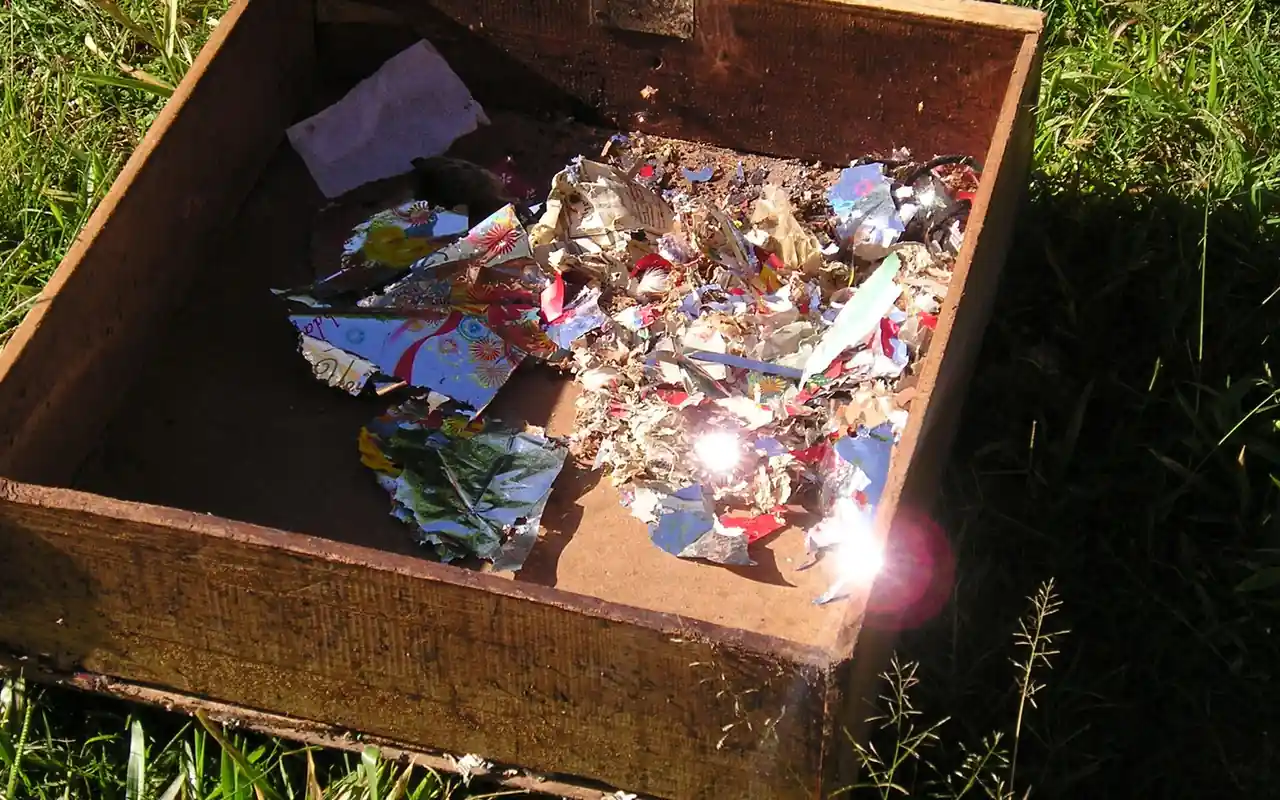
Then go and look, in daylight, with a torch and a mask. Mouse droppings in the attic are the small rice-like kind, clustered along joists, around the hatch, and along any duct run. Nesting is the confirmation: insulation pulled into piles, or shredded paper and fabric tucked into a corner or inside a stored box. If you find both, you have your answer, and the same identification steps are laid out on our signs and problems hub under attic sounds.
- Listen two nights running: mice keep the same hours and the same area
- Check around the hatch and along joists for rice-like droppings
- Look for insulation pulled into piles or shredded material in corners
- Photograph what you find before you disturb it
- Wear a mask and gloves; attic dust over old droppings is not worth breathing
Step two: work out how they are getting up there
This is the step most people skip, and it decides whether the problem ends. Mice reach attics two ways: from outside, climbing brick or rough siding to a gap at the eaves, a broken vent screen, or the line where a porch roof meets the wall; or from inside, entering at the foundation and climbing the inside of a wall void straight to the top plate. In Detroit’s older houses the inside route is at least as common as the roof route.
So check low before you check high. The sill plate line, coal chute frame, and utility entries listed on our exclusion page are the same gaps that feed most attic problems. If the basement shows droppings too, the route is internal and the fix starts in the basement. If the attic is the only sign, walk the roofline for the eaves gap and the vent screens. Either way, sealing an attic hatch tighter does nothing; mice are not coming through the hatch.
Noise in the ceiling you cannot pin down? Call for an inspection that checks the attic and the foundation route in one visit.
Call (313) 476-6003Step three: clear them out and deal with the insulation
Trapping is the right tool in an attic. Snap traps set along joists and runs, checked daily, clear the population without the risk that comes with bait: a poisoned mouse that dies in a wall void trades a noise problem for a smell problem. Set more traps than feels necessary, along the edges where mice actually travel, not in the open middle of the floor.
Once they are gone, look honestly at the insulation. Mice tunnel through it, nest in it, and soil it with urine along their runs, and flattened, tunnelled insulation loses much of its insulating value. Light damage can be tidied; heavy tunnelling and soiling is the point where attic cleanup and insulation work take over. Finish with the entry points sealed, low or high, because an empty attic with the route still open is just a cleaned room waiting for the next tenants. For the control programme itself, our mouse control page sets out the sequence.
- Use snap traps along joists and runs, checked daily; skip bait in the attic
- Remove nests and droppings with a mask and gloves once trapping is done
- Judge the insulation honestly: tunnelled and soiled sections have lost their value
- Find and seal the real route, at the foundation or the eaves, not the hatch
- Recheck in two weeks at night; silence plus no fresh droppings means it worked
Questions Detroit Homeowners Ask
Could the noise in my attic be squirrels instead?
It could, and the clock tells you. Squirrels are day animals: expect thumps and running in the early morning and again before dark, and silence overnight. Mice reverse that pattern. Weight matters too; anything that sounds like it is moving furniture is too heavy to be a mouse and needs a different response.
Is it safe to go into the attic myself?
For a look, yes, with basics covered: daylight, a torch, a dust mask, gloves, and care to step only on joists or boards, never on the insulation or the ceiling below it. Do not crawl into tight eaves spaces, and leave a heavy accumulation of droppings alone; that level of contamination is a cleanup job, not a DIY afternoon.
Why not just put bait stations in the attic?
Because of where baited mice die. A mouse that takes bait commonly dies inside a wall void or under the insulation, where it cannot be reached, and the smell runs for one to three weeks. Traps confirm the catch, remove the body, and tell you when the problem is actually over. In an attic, that information is worth more than the convenience of bait.
The noise stopped after trapping. Do I still need to seal anything?
Yes. Silence means the current mice are gone; it says nothing about the route. The gap at the eaves or the foundation that admitted them is still open, and attic voids are found by new mice quickly, especially in the autumn move-in. Sealing after a clear-out is the cheapest the job will ever be.
More From the Blog
Work through the other Detroit rodent guides on the blog index, or go straight to the service page that matches your problem from the services list.